
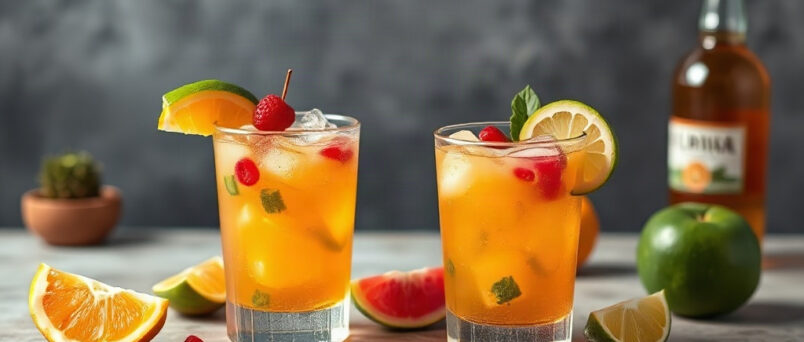
Planning tropical rum cocktails to make for a summer party gets easier once you stop chasing complicated menus and focus on a few balanced, crowd-friendly drinks. Most hosts want three things: drinks that taste bright and refreshing, a prep list that fits a busy week, and recipes that scale when guests keep arriving. Rum helps on every count, because it pairs well with citrus, tropical fruit, and even coffee or coconut. This guide walks you through the drinks worth mixing, the techniques that keep them consistent, and a handful of Miami Signature Designs ideas for serving them with a little style. By the end you’ll have a short, reliable menu you can actually execute on party day.
Quick answer: Choose three or four rum cocktails that share ingredients, such as lime, simple syrup, and one tropical juice, so you buy less and prep faster. Batch the base mixes ahead, chill everything well, and finish each glass with fresh ice and a garnish. Rum’s range—from light and clear to dark and aged—lets you offer variety without stocking a full bar.
What is tropical rum cocktails to make?
The phrase describes a small menu of rum-based drinks built on tropical flavors, designed to be prepared at home for a group. Think of it as a party plan rather than a single recipe. Each drink uses rum with lime or lemon, a sweetener, and something fruity or aromatic—pineapple, passion fruit, coconut, or ginger. The goal is refreshment and variety, not a competition.
The core building blocks
Almost every drink in this family follows a simple formula: two parts rum, one part citrus, one part sweet or fruit. A classic daiquiri is white rum, lime juice, and simple syrup. A piña colada swaps the lime and syrup for pineapple juice and cream of coconut. A mai tai adds orange liqueur and almond syrup. Once you see the pattern, you can adapt freely.
The rums worth keeping on hand
You do not need a dozen bottles. Three cover most tropical drinks:
- White or lightly aged rum for daiquiris, mojitos, and light highballs
- Dark or aged rum for richer drinks like a rum old fashioned or a coffee-based cocktail
- Overproof rum in small amounts for float or a stronger punch
White rum keeps a drink crisp and lets fruit lead. Dark rum adds caramel and vanilla notes that suit coconut and coffee. Overproof rum is potent, so use it sparingly.
Where the “tropical” part comes from
Garnish and juices do much of the work. Pineapple wedges, lime wheels, mint sprigs, and a paper umbrella are cheap and effective. Fresh juices taste noticeably better than shelf-stable blends, but bottled passion fruit puree and canned pineapple juice work well in a pinch. Keep a bag of frozen fruit for blending drinks.
Key takeaway: Build your menu around three rum styles and the same handful of mixers, and you get variety without a crowded shopping list. If you want a mixed, layered example of the style, a Miami Vice drink recipe pairs strawberry and piña colada in one glass.
Why tropical rum cocktails to make matters
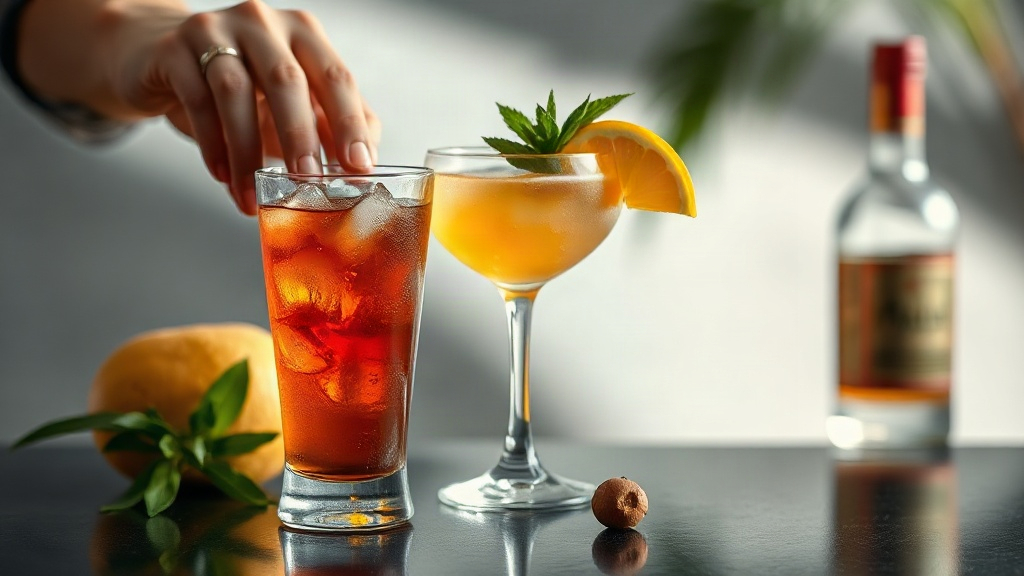
A summer party succeeds or fails on flow. When the host is stuck behind a blender, guests drift and the mood flattens. A planned rum menu keeps drinks moving because most of the work happens before anyone arrives. You batch, chill, and set out glassware in advance. During the party, you pour and garnish. That small shift changes the whole evening.
Cost and effort
Rum is generally affordable compared with many spirits, and tropical mixers are inexpensive. Fresh limes cost little and go far. A well-chosen three-drink menu often costs less than a single cocktail kit, mostly because the drinks share ingredients. Fewer bottles and fewer mixers mean less waste after the party.
Inclusivity and pacing
Tropical rum drinks are easy to make at different strengths. A mojito can be light and fizzy. A rum punch can be mild enough for guests who want to sip slowly. Offering a low-alcohol option like a rum spritz helps guests pace themselves. A pitcher of non-alcoholic punch ensures everyone has something fun in hand.
Sugar and rum can easily overpower lime, so taste each batch before serving. A touch more citrus usually fixes a drink that tastes flat.
Key takeaway: You get more from a planned menu than from a showpiece drink. Planning grants you time with guests, predictable cost, and drinks that suit different preferences.
Best practices
Good tropical cocktails come down to temperature, balance, and preparation. Every choice below is something you can control, even on a busy party day.
Batch what you can, finish what you must
Mix the rum, juice, and syrup portions ahead and store them in the fridge in labeled bottles. Keep citrus juice separate if you are prepping more than a day ahead, because fresh juice loses brightness. On party day, shake or stir each drink to order and top with ice. Batching the base cuts drink-making time to seconds per glass.
Chill everything
Warm ingredients make a weak, watery drink. Chill your rum, mixers, and glasses at least two hours before guests arrive. Larger, clearer ice cubes melt slower and keep drinks from diluting too fast. For blended drinks, use frozen fruit instead of extra ice for a thicker texture.
Balance with taste, not rules
Every batch needs tasting. Start with the written ratio, then adjust. Too sweet? Add lime. Too sharp? Add a half-ounce of syrup. Too strong? Stir in more juice or soda. Use a small spoon or straw to taste before pouring a full pitcher. This habit prevents most party-day surprises.
Set up a simple garnish station
A small tray with lime wheels, mint, pineapple wedges, and cocktail picks keeps garnishing fast. Pre-cut garnishes an hour before guests arrive and store them covered. Guests enjoy adding their own garnish, and it spreads the fun.
Comparison: shaken vs. built drinks
The table compares two preparation styles so you can match each drink to the right method and timeline.
| Drink style | Method | Best for | Prep impact |
|---|---|---|---|
| Daiquiri, mai tai | Shake with ice | Small batches, bold flavor | Slower per drink |
| Mojito, rum punch | Build in glass or pitcher | Crowds, quick service | Fast, scales easily |
Notice that built drinks suit parties best when guest counts rise. Shaken drinks work well for a smaller gathering or a dedicated cocktail station.
Key takeaway: Batch the base, chill deeply, and taste every batch. These three habits do more for a tropical rum menu than any single recipe.
Common mistakes to avoid
Most disappointing tropical drinks come from a short list of avoidable errors. Checking these before the party saves time and ingredients.
Using low-quality or stale juice
Bottled lime juice from concentrate tastes flat and slightly bitter. Fresh-squeezed juice makes an obvious difference in a daiquiri or mojito. Squeeze citrus the same day you serve, or ask a helper to handle juicing while you set up.
Overfilling with ice
A glass packed to the rim with small ice cubes waters down a drink within minutes. Use a few larger cubes and leave a little room for the liquid to circulate. The same logic applies to punch bowls: add an ice block, not loose cubes that melt instantly.
Ignoring the non-drinker and the light drinker
Every party has guests who want one drink or none. Skipping a non-alcoholic option and a lower-strength cocktail forces those guests to settle for water. A simple rum-free punch and a spritz solve this with almost no extra effort.
Alcohol and hot weather both increase dehydration. Set out plenty of water, keep drinks moderate in strength, and never leave punch in direct sun.
Forgetting to test the menu
Mixing a drink for the first time during a party invites trouble. Make each recipe once a week ahead to confirm the ratios, check garnish supplies, and time the prep. This single step catches most problems before guests arrive.
Key takeaway: Fresh juice, sensible ice, and a tested menu prevent nearly every common failure. A few small checks keep the whole plan on track.
FAQ
How many rum cocktails should I offer at a summer party?
Three or four drinks cover most groups well. Include one light and fizzy option, one fruit-forward blended or shaken drink, and one non-alcoholic punch. A short menu keeps prep manageable and lets you buy ingredients in sensible quantities.
Can I make these drinks ahead of time?
Batch the rum, juice, and syrup bases up to a day ahead and store them chilled in labeled containers. Add fresh citrus the day of the party and shake or stir each drink to order. Fully assembled drinks with ice go flat or watery if held too long.
What is the cheapest way to stock rum for a party?
Buy one versatile white rum and one aged or dark rum, then let mixers create variety. White rum covers daiquiris and mojitos, while dark rum handles richer drinks. Skip overproof rum unless a specific recipe calls for it.
Do I need special equipment?
A shaker, a jigger for measuring, a citrus juicer, and a long spoon cover most needs. A blender helps for frozen drinks but is optional. Clear ice trays and a few nice glasses improve presentation without real cost.
How do I keep drinks cold without watering them down?
Chill ingredients and glasses ahead, use larger ice cubes, and keep pitchers in a cooler or on ice rather than in the sun. For punch, freeze juice or water in a ring mold to use as a slow-melting block.
Conclusion
A strong summer rum menu depends on a few shared ingredients, careful chilling, and honest tasting rather than complicated recipes. Pick three drinks that use the same citrus and mixers, batch the bases the day before, and set up a garnish station so serving stays quick. Test each recipe once ahead of time, and keep a non-alcoholic punch on hand for every guest.
Start by choosing one shaken drink and one built drink, then add a third only if your guest list calls for it. Write your shopping list, prep timeline, and garnish plan in one place. With that small amount of planning, you can pour tropical rum cocktails to make the party feel relaxed, generous, and easy to enjoy.