

Are you ready to take control of your finances but not sure where to start? One of the easiest and most affordable ways to build a strong foundation in investing is by diving into the best investing books for beginners. Whether you’re aiming to grow your savings, prepare for retirement, or understand the stock market, these books offer timeless insights from financial experts.
In this guide, we’ll highlight top picks that can help you navigate the world of investing and make informed decisions for your future. Plus, we’ll touch on how communal business models can play a role in your investing journey.
Why Start with Investing Books?
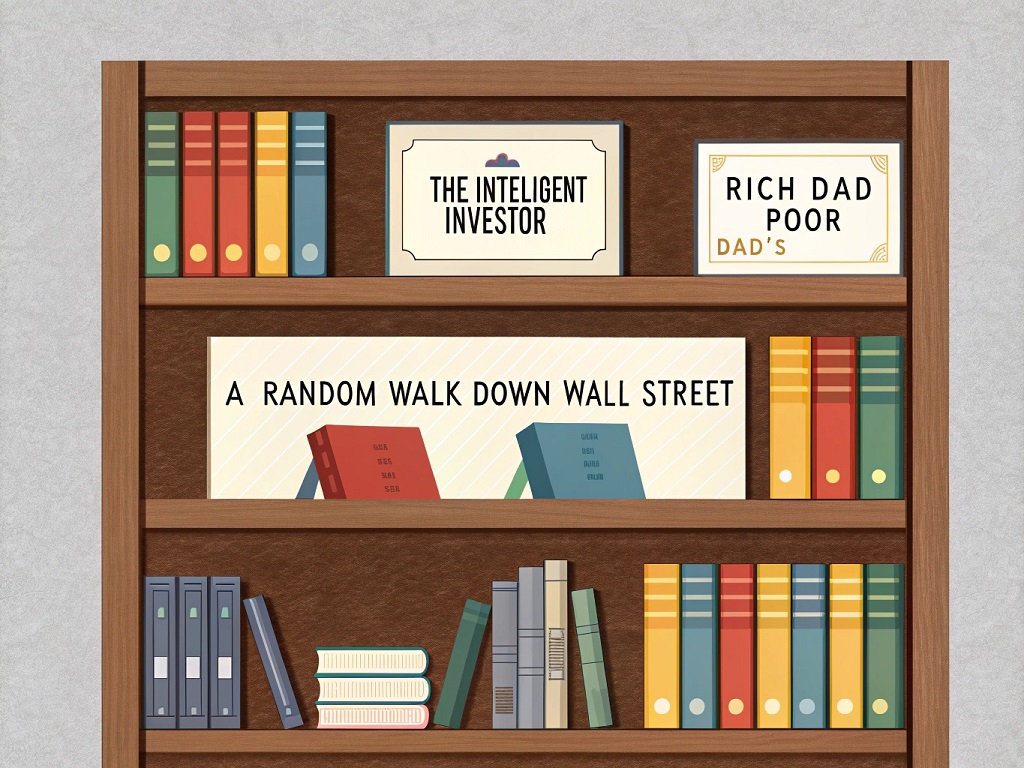
Investing may seem intimidating at first, especially with all the complex jargon and financial products out there. However, books written by experienced investors break it all down in an easy-to-understand way. You get to learn at your own pace, build financial literacy, and gain confidence before making any big decisions.
The Best Investing Books for Beginners
Here’s a list of beginner-friendly investing books that have helped millions build wealth and understand the market:
-
The Intelligent Investor by Benjamin Graham
Often referred to as the bible of investing, this classic teaches the principles of value investing. Graham’s emphasis on long-term strategies and minimizing risks is perfect for beginners.
-
Rich Dad Poor Dad by Robert T. Kiyosaki
This isn’t just about investing; it’s a mindset shift. Kiyosaki explores the differences in how wealthy and poor people think about money, encouraging readers to seek financial freedom through smart investing.
-
The Little Book of Common Sense Investing by John C. Bogle
Written by the founder of Vanguard, this book advocates for low-cost index funds and long-term investing strategies. It’s ideal for those looking to keep things simple and effective.
-
I Will Teach You to Be Rich by Ramit Sethi
A modern favorite, Sethi’s no-nonsense style walks beginners through budgeting, saving, and investing with humor and relatable advice.
-
Your Money or Your Life by Vicki Robin and Joe Dominguez
This one takes a holistic look at your relationship with money. It ties personal finance to life values and offers a path toward financial independence.
Investing and Communal Business

In recent years, the concept of communal business has gained traction among socially-conscious investors. These are businesses owned and operated collectively, with profits and decisions shared among members. Investing in cooperative models like this supports sustainable growth and empowers local communities.
Beginners who value ethical investing may want to explore how communal businesses work and consider them as part of a diversified portfolio. Books on social impact investing and cooperative economics can provide deeper insights into this area.
Popular FAQs
Q1: What should I know before I start investing?
A: Understand your financial goals, risk tolerance, and the basics of investment types like stocks, bonds, and mutual funds. Reading the best investing books for beginners is a great first step.
Q2: How much money do I need to start investing?
A: You can start investing with as little as $50 using micro-investing platforms or by purchasing fractional shares of stocks.
Q3: Are investing books better than online courses?
A: Both have value. Books are great for deep, structured learning, while courses can offer interactivity and visuals. Use both if possible!
Q4: Can I learn to invest without a financial advisor?
A: Absolutely. Many self-made investors started with books. Once you build a solid foundation, you can decide if professional advice is needed.
Q5: What is the best investment for beginners?
A: Index funds and ETFs (Exchange-Traded Funds) are commonly recommended because they offer diversification and lower risk.
Final Thoughts
Building wealth takes time, patience, and the right knowledge. With the best investing books for beginners, you don’t need a financial background or a big budget to get started. Whether you’re planning to grow your personal portfolio or support a communal business, the first step is always learning. So grab a book, dig in, and start shaping your financial future today.