

Introduction
As winter settles in and temperatures fall, maintaining a warm, comfortable home becomes a top priority for families across colder regions. Oil-based heating systems remain a popular choice due to their ability to deliver consistent heat and dependable performance, especially during harsh weather conditions. For homeowners seeking efficient home heating solutions, securing a reliable supply—such as through COD fuel delivery—ensures not only warmth but also peace of mind that your heating needs will be met throughout the coldest months.
Beyond mere comfort, the technology and operation behind oil heating systems have evolved to offer substantial efficiency, robust safety features, and increasing environmental responsibility. Understanding how these systems work and exploring advancements in oil heating can empower homeowners to make informed decisions about their home’s warmth and efficiency.
Understanding Oil Heating Systems
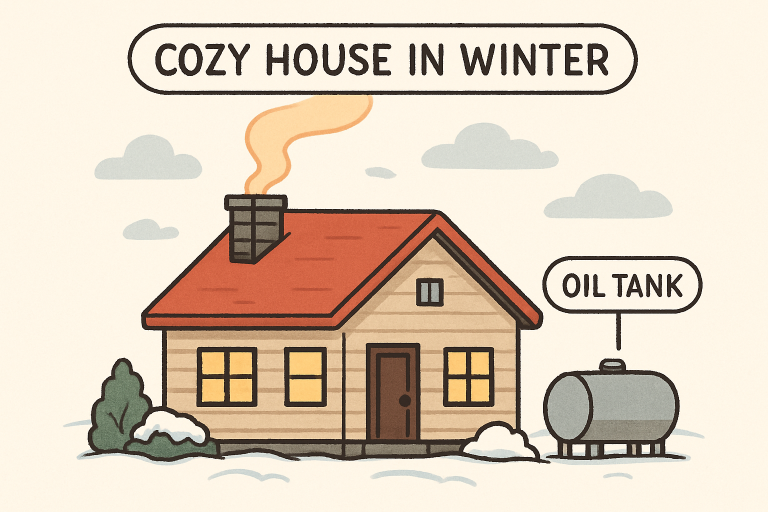
Oil heating systems function by burning specially refined heating oil in a combustion chamber. This process generates heat, which is transferred to air or water and distributed throughout the living space by ducts, vents, or radiators. One of oil heating’s enduring strengths is its ability to produce high-output warmth, making it especially advantageous for homes in regions that experience prolonged or severe cold snaps. According to the US Energy Information Administration, heating oil remains a common source of warmth in many households, particularly in the Northeast, due to its efficiency and consistent heat output. With consistent performance and the versatility to integrate with various home types from vintage houses to modern builds, oil heating remains a reliable option for residential comfort.
Across the Northeast and other cold-weather regions, these systems are valued for their reliability and power. Homeowners who use oil often appreciate the control and flexibility of fuel storage, allowing them to purchase oil in advance, avoid mid-winter shortages, and shop for cost-effective delivery options.
Efficiency of Modern Oil Furnaces
Modern oil furnaces have advanced significantly from their predecessors in terms of performance and efficiency. Recent innovations have enabled today’s oil furnaces to achieve annual fuel utilization efficiency (AFUE) ratings between 83% and 94%, rivaling and even surpassing other heating fuel options in some cases. A furnace with a 90% AFUE rating, for example, converts 90% of its fuel directly into heat for the home, wasting only 10% in the process. This leap in efficiency is the result of advanced burner technology, precision temperature controls, and improved combustion processes.
Advances over the past 20 years have enabled modern oil heating systems to use up to 25% less fuel than older models, thereby reducing both energy bills and the environmental footprint. These innovations offer homeowners significant long-term savings and help make heating oil a forward-thinking choice for both sustainability and economic benefits.
Safety Considerations
Safety is a critical concern with any heating system. Fortunately, oil heating has built-in characteristics that enhance home safety. Heating oil in its liquid form is not explosive and poses an extremely low risk of accidental ignition, unlike natural gas. For combustion and heat creation to occur, oil must be vaporized at high temperatures inside the furnace, significantly reducing risks associated with fuel storage.
Additionally, oil heating systems typically provide clear warning signs—such as unusual odors or visible soot—before any risk of carbon monoxide release. This “fail-safe” quality gives homeowners the crucial time needed to address malfunctions, further protecting their families. Routine system care and professional inspection are still essential to maintaining safety and peace of mind, especially over the long lifespan of these systems.
Environmental Impact
Oil heating systems are not only efficient and safe, but have made meaningful progress toward environmental responsibility. Since 1970, emissions from oil heating have been reduced by 95%. The adoption of ultra-low sulfur heating oil (ULSHO) and blends with renewable biofuels has minimized greenhouse gas emissions, particulate matter, and sulfur dioxide emissions. Homeowners concerned about their environmental impact can look for suppliers who offer biofuel blends, further shrinking their carbon footprint and supporting sustainable energy initiatives.
Maintenance and Longevity
To ensure optimal performance, oil heating systems require regular upkeep. Key maintenance tasks include replacing fuel filters, cleaning nozzles, and scheduling annual tune-ups with certified professionals. Proactive maintenance extends system life—most oil furnaces last between 15 and 25 years—while preserving efficiency and minimizing breakdowns during peak heating season.
Simple at-home maintenance, such as checking the oil tank level, keeping the furnace area clear, and promptly addressing any irregular sounds or performance issues, can also go a long way in protecting your investment.
Cost Considerations
While the upfront installation cost of an oil heating system can be substantial, many homeowners find the long-term operating costs to be manageable and potentially lower than those of alternative heating options. Numerous oil heating users take advantage of the ability to purchase oil in bulk, benefitting from off-peak pricing and reducing susceptibility to winter price surges. Strategic purchasing and efficient system operation help further control household heating expenses throughout the season.
Conclusion
Heating oil remains a vital component of home comfort, especially for families who face cold winters. Its unique combination of efficiency, safety, and proven reliability, combined with improvements in environmental performance, continues to make oil heating a sound choice. Homeowners who invest in system maintenance and monitor their fuel needs—leveraging dependable resources for cod fuel—can count on steady warmth and efficient operation for years to come.