
A California porch can be one of the most enjoyable spots in a home—sunny, breezy, and perfect for morning coffee or evening relaxation. But between drought restrictions, intense afternoon heat, and the daily reality of a busy schedule, keeping potted plants alive out there can feel like a losing battle. If you’re also hunting for Gift Teen gift ideas that double as porch décor—like faux hanging baskets a teenager can actually keep looking good—this guide connects both goals. Below, you’ll learn how to build a porch garden that survives California’s climate and still looks intentional and lush.
Quick Answer
Create a low-maintenance California porch garden by choosing drought-tolerant, heat-hardy plants like succulents, rosemary, lavender, and lantana; using large containers with drainage and mulch to retain moisture; grouping plants by water needs; and mixing in quality artificial or preserved greenery for year-round fullness. Water deeply but infrequently, shelter pots from peak afternoon sun, and avoid moisture-loving plants that struggle in dry, hot air.
Key Takeaways
- Plant selection matters more than effort—drought-tolerant species thrive on neglect in California porches.
- Large containers with drainage holes and a mulch layer reduce watering frequency significantly.
- Grouping plants by water and sun needs prevents overwatering some and underwatering others.
- Artificial or preserved hanging baskets and greenery can fill gaps and survive heat, wind, and forgetfulness.
- Peak afternoon sun and reflected heat from walls or concrete are the biggest threats to porch plants.
Why California Porches Are Uniquely Tough on Plants
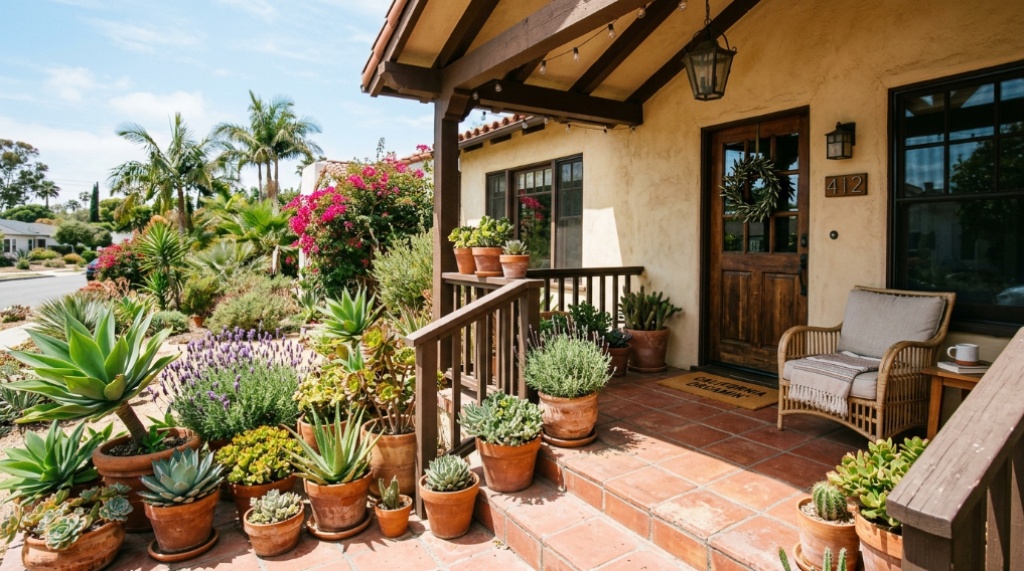
California porches combine several stressors that most gardening advice ignores. Intense sun, low humidity, dry winds, and heat radiating off stucco walls and concrete floors create conditions closer to a desert than a garden. Even plants labeled “full sun” can scorch in a west-facing porch during a Central Valley or inland Southern California summer.
Coastal porches face a different challenge: salt air, fog, and wind that dries out foliage and soil faster than expected. Inland porches deal with triple-digit heat and water restrictions. That’s why generic “porch garden” advice often fails here—it assumes moderate conditions that California frequently doesn’t provide.
The practical takeaway: treat your porch like a microclimate, not a standard garden bed. Observe how many hours of direct sun it gets, whether it’s shaded in the afternoon, and how much wind hits it before choosing a single plant.
Choosing Plants That Actually Survive
The single biggest factor in a low-maintenance porch garden is plant choice. If you pick species adapted to heat and drought, most of the work disappears. If you pick thirsty, shade-loving plants for a sunny porch, you’ll be watering twice a day and still losing them.
Best Drought-Tolerant Options for California Porches
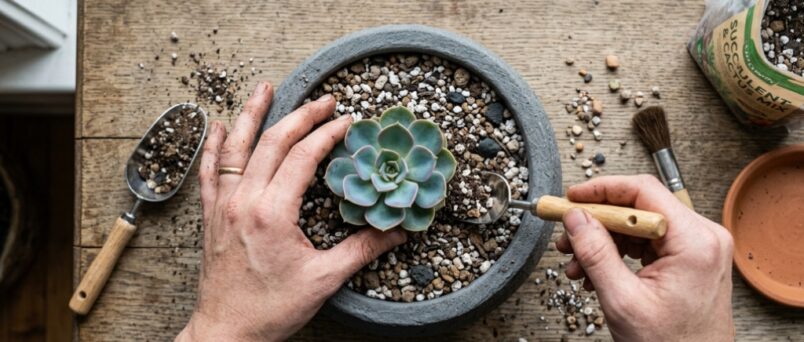
- Succulents (aloe, agave, echeveria, sedum): store water in leaves, tolerate neglect, and look sculptural.
- Mediterranean herbs (rosemary, lavender, thyme, oregano): thrive in dry heat and are useful in the kitchen.
- California natives (California fuchsia, sage, buckwheat): evolved for local conditions and support pollinators.
- Heat-loving bloomers (lantana, portulaca, bougainvillea): flower through summer with minimal care.
- Ornamental grasses (blue fescue, fountain grass): add texture and handle wind well.
Plants to Avoid on a Hot Porch
Ferns, hydrangeas, impatiens, and most tropical foliage plants need consistent moisture and shelter. They can work on a shaded, cool coastal porch but usually fail inland or in full sun. If you love their look, use realistic artificial versions instead of fighting the climate, If you are dealing with common pests while setting up your greenery, you can check out this guide on diy beer traps for slugs and snails to protect your plants naturally.
Container Strategy: The Quiet Secret to Less Watering
Container choice affects how often you water more than almost anything else. Small pots dry out fast; dark pots absorb heat; terracotta wicks moisture away quickly. For a low-maintenance porch, size and material matter.
- Go bigger than you think. Larger soil volumes hold moisture longer and buffer temperature swings.
- Choose light-colored or glazed pots to reflect heat and slow evaporation.
- Confirm drainage holes. Standing water kills more porch plants than drought.
- Add a mulch layer (gravel, bark, or pebbles) to reduce surface evaporation.
- Consider self-watering containers for plants that need more consistency.
A practical rule: a 12-inch pot needs water far more often than a 20-inch pot with the same plant. If you travel or forget to water, bigger is genuinely easier.
Watering Without Wasting Time or Water
Deep, infrequent watering beats light daily sprinkling. It encourages roots to grow downward, making plants more resilient. On a hot California porch, that might mean watering every two to four days in summer for established succulents and natives, and more often for flowering annuals.
Signs you’re overwatering: yellowing leaves, mushy stems, fungus gnats, and mold on the soil surface. Signs of underwatering: crispy leaf edges, drooping that doesn’t recover by evening, and soil pulling away from pot sides.
Water early morning or evening to reduce evaporation. If you have several pots, a drip line on a timer is one of the highest-value upgrades for a low-maintenance setup.
Where Artificial and Faux Plants Fit In
Low-maintenance doesn’t have to mean sparse. High-quality artificial hanging flower baskets, faux succulents, and preserved greenery can fill gaps, add color in shaded corners, and survive heat, wind, and neglect indefinitely. They’re especially useful for:
- Porches with intense afternoon sun where live blooms struggle.
- Renters who want greenery without long-term commitment.
- Spots that are hard to reach for watering.
- Adding seasonal color without replanting.
The key is choosing realistic-looking pieces and mixing them with live plants rather than replacing everything. A faux trailing plant above a real succulent arrangement reads as intentional design, not a shortcut.
Layout and Design That Reduces Work
How you arrange plants affects both maintenance and visual impact. Group plants with similar sun and water needs together so you’re not juggling different schedules for every pot.
Use height for interest: tall statement plants in back, medium pots in the middle, trailing plants or hanging baskets at the edges. This layered look covers more visual space with fewer plants and less watering.
Place the thirstiest plants closest to your door or water source. Put the most drought-tolerant species in far corners where you’re less likely to check on them. This single habit prevents most plant losses.
Seasonal Maintenance in Under an Hour a Month
Even a low-maintenance garden needs occasional attention. A realistic monthly routine includes:
- Trim dead leaves and spent blooms.
- Check for pests like aphids or mealybugs.
- Refresh mulch if it has broken down.
- Rotate pots so all sides get even light.
- Deep-water everything and check drainage.
In extreme heat waves, move smaller pots into shade temporarily rather than trying to water more. In cooler months, reduce watering significantly—overwatering in winter is a common cause of porch plant death in California.
Common Mistakes That Sabotage Porch Gardens
- Using garden soil in pots: it compacts and drains poorly; use potting mix.
- Ignoring reflected heat: plants near walls or on concrete bake faster.
- Overwatering “just in case”: root rot is more common than drought death in containers.
- Buying plants for the wrong light: shade plants in full sun fail quickly.
- Skipping drainage: decorative pots without holes trap water.
- Choosing tiny pots: they require constant attention.
Frequently Asked Questions
What are the easiest plants for a California porch?
Succulents, rosemary, lavender, lantana, portulaca, and California native sages are among the easiest. They tolerate heat, low humidity, and irregular watering far better than tropical or moisture-loving plants.
How often should I water porch plants in California summer?
It depends on pot size, plant type, and sun exposure. Large pots with succulents or natives may need water every two to four days; smaller pots with flowering plants may need daily watering during heat waves.
Can artificial plants survive on a hot porch?
Yes, quality artificial plants made for outdoor use handle heat, sun, and wind well. They’re a practical option for porches where live plants struggle, especially for hanging baskets and shaded corners.
Do I need to worry about frost on a California porch?
Inland and higher-elevation areas can see frost, which damages tender plants like bougainvillea and some succulents. Move sensitive pots under cover or inside during cold snaps.
How can I make a porch garden look full without many plants?
Use height variation, layered pots, trailing plants, and a few statement pieces. Mixing live drought-tolerant plants with realistic faux greenery fills space visually without adding much maintenance.
Is drip irrigation worth it for a small porch?
For five or more pots, a simple drip line on a timer can save significant time and reduce plant loss. For two or three pots, hand-watering is usually simpler.
Conclusion
A low-maintenance California porch garden comes down to three decisions: pick drought-tolerant plants, use large containers with drainage and mulch, and shelter plants from the harshest afternoon sun. Do those things, and most of the daily work disappears. Add a few realistic artificial pieces to fill visual gaps and survive the heat, and your porch stays green and inviting year-round—without becoming a second job. Start with a handful of tough plants, observe how your specific porch behaves, and adjust from there.