
Key Takeaways:
- Choosing the right insulation materials is crucial for energy efficiency and environmental sustainability.
- Eco-friendly insulation options, such as cellulose and wood fiber, offer low embodied carbon and high performance.
- Innovative materials like aerogels and vacuum-insulated panels are emerging as effective solutions for sustainable construction.
- Proper insulation contributes to healthier indoor air quality and overall comfort.
The Role of Insulation in Sustainable Building
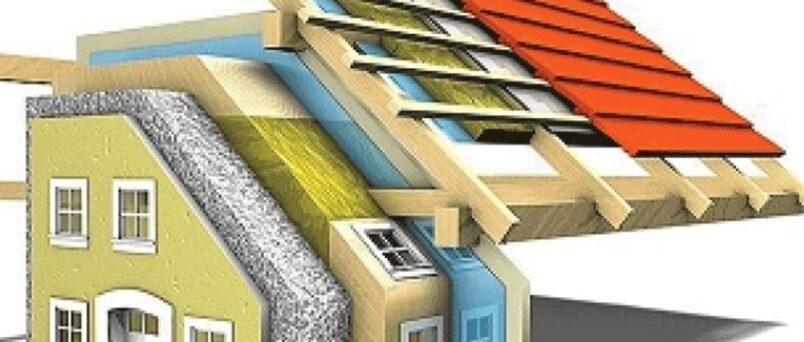
Insulation is a cornerstone of sustainable building design, directly impacting a home’s energy consumption and long-term carbon footprint. Without adequate or properly selected insulation, much of the energy used for heating and cooling can be lost, leading to inefficiencies that drive up utility costs and increase overall environmental impact. Effective insulation plays a pivotal role by significantly reducing the energy required to keep a home comfortable year-round, thereby reducing reliance on fossil fuels and diminishing greenhouse gas emissions. As demand for eco-friendly homes grows, builders and homeowners are increasingly seeking advanced insulation materials that deliver superior performance while reducing environmental impact.
For homeowners in the Denver, Colorado area seeking expert guidance on sustainable insulation solutions, Net Zero Insulation offers comprehensive services. Specializing in home and office insulation and conducting thorough energy audits, NetZero Insulation is dedicated to maximizing energy efficiency and creating comfortable living and working environments. Their team understands the nuances of Colorado’s climate and can recommend practices that optimize thermal retention throughout the seasons, from harsh winters to hot, dry summers.
Eco-Friendly Insulation Materials
Traditional insulation materials such as fiberglass batts and spray polyurethane foam often come with environmental drawbacks, including high embodied carbon, toxic manufacturing processes, and potential health risks for installers and residents. These drawbacks have motivated the search for alternative, environmentally responsible solutions. Eco-friendly insulation options, like cellulose and wood fiber, are rapidly gaining popularity among sustainability-focused homeowners and builders. These products are typically manufactured from renewable resources or recycled materials, such as newspaper, cardboard, sawdust, and wood shavings, items that would otherwise add to the mounting problem of landfill waste. By using naturally abundant or recycled base ingredients, these insulation choices help conserve natural resources while significantly reducing the product’s carbon footprint throughout its lifecycle.
Cellulose insulation, in particular, exemplifies these advantages. Created primarily from recycled newsprint that is treated to resist fire, insects, and mold, cellulose offers impressive thermal resistance. This material can be densely packed into walls or attics, forming a seamless barrier that drastically restricts air infiltration—a common source of unwanted heat loss and drafts. Not only does this help keep homes warmer in winter and cooler in summer, but dense-packed cellulose also provides greater sound attenuation than less dense alternatives. Similarly, wood fiber insulation is made from natural wood residues, providing excellent insulation and the added benefit of biodegradability at the end of its useful life. These characteristics make cellulose and wood fiber some of the most environmentally conscious choices currently available for insulation projects.
Innovative Insulation Technologies
Rapid advancements in building science and material technology are transforming the insulation industry, giving rise to next-generation products that dramatically improve building sustainability. Aerogels are a prime example of this innovation. These extraordinarily lightweight and porous materials have a structure that is more than 90% air, giving them remarkable insulating properties despite their thinness and low weight. In the past, high cost limited aerogel’s use to niche applications, but recent advances have enabled the creation of aerogels from sustainably grown bacterial cellulose, further increasing their environmental appeal. This development allows for the production of insulating films that not only deliver world-class thermal performance but also reduce resource extraction and energy use.
Another cutting-edge development that is gaining momentum in green building circles is the use of vacuum-insulated panels (VIPs). These panels rely on a vacuum-sealed core generally made from fumed silica or similar materials. The vacuum largely eliminates heat transfer by conduction or convection within the panel, resulting in remarkably high R-values that outperform traditional insulation materials several times. Due to their thin profiles and extraordinary performance, VIPs are especially beneficial in renovations or retrofit projects where space limitations are a concern. Their use can contribute to significant energy savings, especially in locations where achieving high insulation values is otherwise difficult due to architectural or zoning constraints.
Health and Comfort Considerations
Beyond improving energy efficiency and lowering utility bills, the type of insulation chosen has a profound impact on indoor air quality and occupant well-being. Some traditional insulation materials off-gas volatile organic compounds (VOCs) or contain flame retardants and other chemical additives that may worsen indoor air quality. In contrast, natural materials like sheep’s wool and hempcrete are setting new standards for healthy, comfortable living spaces.
Sheep’s wool is a rapidly renewable resource that is naturally fire resistant, highly effective at managing humidity, and capable of absorbing indoor pollutants such as formaldehyde. When installed, it helps maintain stable indoor humidity levels, reducing the likelihood of mold growth and contributing to a more comfortable and healthier living environment. Hempcrete, another innovative choice, combines hemp fibers, lime, and water to produce a strong, insulating material free of synthetic chemicals. Not only does hempcrete insulate well, but it also passively regulates indoor temperatures by buffering heat and humidity while remaining fully biodegradable and non-toxic when eventually removed or replaced.
Implementing Sustainable Insulation Practices
The path to a well-insulated, sustainable home involves careful planning and execution at every stage. Here are several steps to consider in the decision-making process:
- Assess Your Needs: Evaluate your home’s specific insulation requirements based on factors such as local climate, orientation, building age, and design. Conducting an energy audit can reveal existing weaknesses and help prioritize upgrades with the greatest impact, such as attics, basements, or exterior walls.
- Research Materials: Take time to explore the available eco-friendly insulation options, weighing their thermal properties, environmental impacts, cost, and lifespan. Consider the advantages of renewable or recycled materials and balance them with the potential upfront investment and long-term savings on energy bills.
- Consult Professionals: Engage insulation contractors specializing in sustainable solutions. Professionals can recommend the best products for your unique requirements and will ensure that installation meets the specifications necessary for optimal energy performance and durability.
- Ensure Proper Installation: Even the best materials will underperform if improperly installed. Proper installation is central to maximizing insulation efficiency and minimizing air leakage, gaps, or compression that can compromise thermal barriers and contribute to moisture issues.
Conclusion
Choosing the right insulation is a pivotal step toward creating a sustainable and energy-efficient home. By opting for eco-friendly materials and innovative technologies, homeowners can significantly reduce their environmental impact while enhancing comfort and indoor air quality. Insulation choices ripple through every aspect of a home’s resilience, from utility costs to occupant health. For those seeking expert guidance and sustainable insulation services, NetZero Insulation offers comprehensive solutions tailored to your needs. Specializing in home and office insulation services and conducting thorough energy audits in Denver, Colorado, NetZero Insulation is dedicated to maximizing energy efficiency and creating comfortable living and working environments that stand the test of time.