
Key Takeaways
- Pennsylvania is a no-fault state, so your own insurance is the first to pay for medical bills after a car accident.
- Personal Injury Protection (PIP), also called Medical Benefits coverage, is required and provides initial coverage.
- Health insurance may cover expenses after your auto insurance limits are exhausted.
- Filing a claim against an at-fault driver is possible in cases of serious injury with certain insurance selections.
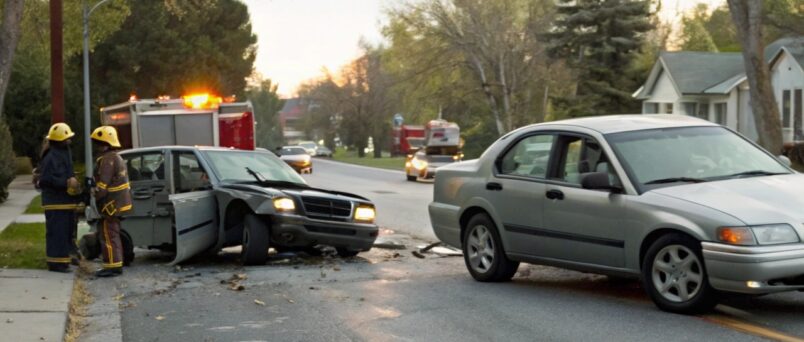
After a car accident in Pennsylvania, one of the most pressing questions is who pays the medical bills. Unlike some states where the at-fault driver or their insurer is immediately responsible, Pennsylvania uses a no-fault system. This system means that regardless of blame, your own insurance is the first to cover medical expenses. This is especially important in car accident cases where injuries can be severe and immediate payment for treatment is crucial for recovery and peace of mind.
No-fault laws are meant to streamline compensation for accident victims and prevent long legal battles over minor injuries. While this helps get medical bills paid quickly, understanding your options is vital for covering all expenses related to the accident.
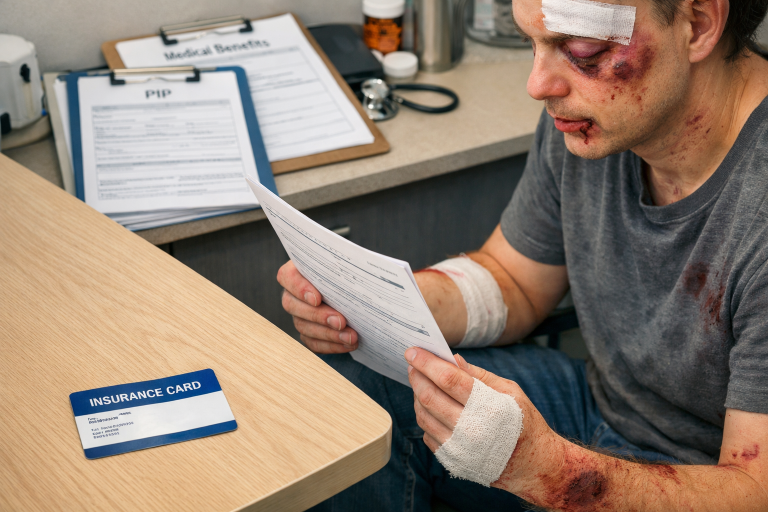
Pennsylvania requires drivers to carry Personal Injury Protection (PIP) insurance, also known as Medical Benefits coverage. This coverage is the initial source of payment for medical bills following an accident, regardless of who was at fault. Many drivers, however, are unaware of how their insurance policies interact with health insurance, or how and when they may pursue a claim against another driver when injuries are serious.
Knowing your insurance policy details and the types of coverage you have can avoid delays and financial strain as you seek medical care. Additionally, recent accident statistics underscore the need to understand insurance options in Pennsylvania’s unique system. For more insight, visit this guide from the Pennsylvania Insurance Department.
Understanding Pennsylvania’s No-Fault System
Pennsylvania’s no-fault insurance system is designed to make sure that those hurt in car accidents receive prompt payment for their medical care. Under this system, each driver’s own insurance pays medical benefits to the policyholder and their passengers, up to the limits purchased, regardless of who caused the crash. Only after these limits are reached can other avenues, such as health insurance or civil lawsuits, come into play. The mandatory minimum for Medical Benefits coverage in Pennsylvania is $5,000, but higher amounts are available and recommended for additional protection.
What Does Personal Injury Protection (PIP) Cover?
PIP, or Personal Injury Protection, is the part of your car insurance policy that pays for medical expenses incurred due to a car accident. It will pay for costs such as ambulance rides, ER visits, hospital stays, surgeries, rehabilitation, and even some necessary follow-up care like physical therapy. It does not cover vehicle damage or non-medical expenses.
PIP coverage is meant for the driver, their family members, and anyone else in the insured vehicle at the time of the crash. Once the PIP coverage limits are exhausted, responsibility for remaining medical bills shifts depending on your overall insurance portfolio.
The Role of Health Insurance After a Car Accident
When your Medical Benefits (PIP) coverage is used up, your health insurance often becomes the next source of payment for your accident-related medical costs. It is important to notify your health insurer that injuries are from an auto accident since coordination of benefits rules may apply. Your health insurance may require reimbursement from any future settlement or judgment related to the accident. This process, known as subrogation, is common and should be discussed with your insurance company and legal representative to avoid complications.
When Can You Sue the At-Fault Driver?
While the no-fault system pays medical bills quickly, it also restricts your ability to sue the at-fault driver unless you meet certain criteria. Pennsylvania allows drivers to choose between “limited tort” and “full tort” coverage when purchasing car insurance. Limited tort restricts your ability to recover certain damages through a lawsuit unless you sustain serious injuries. Full tort allows you to pursue the at-fault driver for pain and suffering without such limitations. If your injuries qualify as severe, such as permanent impairment or disfigurement, you may be eligible to file a claim for additional compensation beyond your insurance coverage.
Uninsured and Underinsured Motorist Coverage
Uninsured Motorist (UM) and Underinsured Motorist (UIM) coverage are important optional protections available on Pennsylvania auto policies. If the at-fault driver has insufficient or no insurance, UM and UIM coverage can step in to pay for your medical bills and other losses after PIP benefits are exhausted. Having these coverages provides crucial financial backup, particularly as not all Pennsylvania drivers carry adequate insurance.
Steps To Take After a Car Accident
- Seek immediate medical attention, even if injuries seem minor, as some symptoms appear later.
- Notify your car insurance company about the accident promptly and ask about your Medical Benefits (PIP) coverage.
- Keep all records of your medical treatment, costs, and insurance correspondence.
- If your medical expenses exceed your PIP coverage, contact your health insurance provider and notify them of the accident history.
- Consider consulting an experienced Pennsylvania car accident attorney to navigate the complexities of liability, subrogation, or possible lawsuits against at-fault parties.
Conclusion
Pennsylvania’s no-fault insurance system is intended to make sure that car accident victims receive fast and reliable payment for medical bills. Understanding how Personal Injury Protection works, the transition to health insurance, and situations where legal claims against an at-fault driver become possible is essential for protecting your financial and physical wellbeing. Make sure to review your auto and health insurance coverage regularly and know your rights should you be involved in an accident. Seeking legal advice in complicated or serious accident scenarios can help maximize your available resources and ensure your medical bills are covered efficiently.