
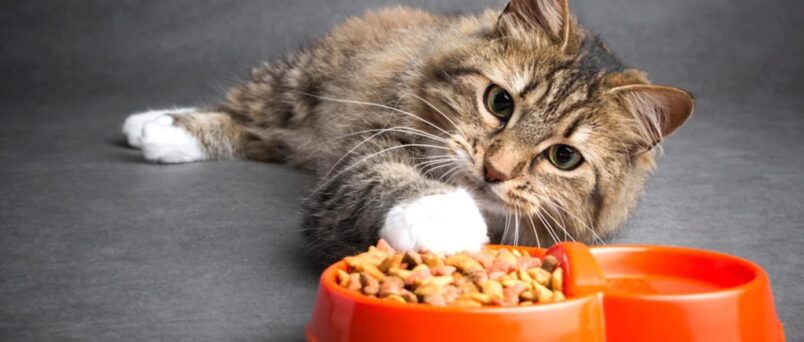
Caring for a cat with chronic illness can be a delicate balancing act. One common challenge pet owners face is ensuring their feline companions maintain a healthy appetite. Cats often lose interest in food due to pain, nausea, or the side effects of medications. Finding ways to stimulate their appetite naturally can improve their quality of life and support their recovery. Whether you’re trying to address this issue for the first time or looking for better solutions, this article offers proven strategies to make a difference.
To help you understand your options, we’ll explore natural appetite stimulants for cats with chronic illnesses, incorporating insights from veterinarians and feline experts. Additionally, you can explore Homepetusa for more tailored resources to assist with pet care challenges.
Understanding Appetite Loss in Cats With Chronic Illness
When a cat stops eating, the risks go beyond immediate hunger. Prolonged appetite loss can lead to hepatic lipidosis, a potentially fatal liver condition. Cats with chronic illnesses such as kidney disease, diabetes, or cancer are particularly vulnerable, making it critical to address the underlying causes of appetite loss.
Common Reasons for Appetite Loss:
- Pain or Discomfort: Chronic illnesses often cause inflammation, making eating uncomfortable.
- Medication Side Effects: Certain drugs suppress appetite or induce nausea.
- Psychological Factors: Stress from medical treatments or changes in routine can deter eating.
A tailored approach that focuses on comfort, familiarity, and natural appetite enhancers can yield excellent results.
Natural Remedies to Boost a Cat’s Appetite
- Aromatic and Palatable Foods
Cats are highly motivated by smell. Warm, fragrant foods like canned tuna, chicken broth, or low-sodium baby food (without onion or garlic) can entice picky eaters. Heating their meals slightly enhances aroma, triggering interest in eating.
- Herbal Appetite Stimulants
Herbs like catnip, valerian root, and chamomile may help reduce stress and encourage eating. Catnip, in particular, has been shown to stimulate a playful mood and appetite in many cats.
- Bone Broth and Nutrient-Rich Liquids
Bone broth offers hydration, flavor, and essential nutrients. It’s a great solution for cats refusing solid foods, as it’s easy to digest and rich in amino acids.
Creating a Comforting Feeding Environment
Cats are creatures of habit, and any disruption in their routine can result in reduced food intake. Ensuring a calm and comfortable feeding space can encourage eating. Place their bowl in a quiet area, away from loud noises and household traffic.
When introducing new strategies or foods, monitor how your cat responds and adjust accordingly. Consulting with a veterinarian can also guide you on safe and effective methods to reintroduce a balanced diet.
Addressing Additional Challenges With Cats
Cats with chronic illnesses often face overlapping challenges that can affect their overall well-being. For instance, if your cat requires diapers due to incontinence, you may wonder how often to change a cat diaper. Regular changes are essential to avoid discomfort, rashes, or infections, keeping your cat as comfortable as possible.
Essential Nutrients and Supplements for Appetite Stimulation

Omega-3 Fatty Acids
Fish oils, rich in omega-3, can reduce inflammation and improve appetite. These supplements can be added to your cat’s meals or administered as drops.
B-Vitamin Complex
B vitamins are often recommended for cats with chronic illnesses, as they can enhance energy and stimulate appetite. Ensure you select pet-specific formulations for safe dosing.
Probiotics
Improved gut health can directly influence appetite. Probiotics help regulate digestion and reduce gastrointestinal discomfort.
CBD Oil for Cats
Cannabidiol (CBD) has gained traction as a natural remedy to relieve pain and reduce anxiety in cats. While research is ongoing, many pet owners report positive effects on appetite stimulation.
Related: 5 Most Dangerous Animals To Have As Pet
Behavioral Strategies to Improve Eating Habits
If natural remedies alone don’t suffice, incorporating behavioral adjustments can make a significant difference:
- Hand-Feeding: Offering food by hand can reassure cats and build trust.
- Scheduled Meals: Maintaining consistent feeding times helps establish a reliable routine.
- Rotating Proteins: Variety can pique interest. Introduce novel protein sources like duck, venison, or rabbit.
When to Seek Veterinary Help
Although natural appetite stimulants can be effective, persistent refusal to eat warrants veterinary intervention. Severe weight loss, vomiting, or lethargy may indicate an underlying issue requiring immediate attention.
FAQs
What are the best natural appetite stimulants for cats with chronic illness?
Bone broth, catnip, valerian root, and omega-3 fatty acids are highly effective. They are safe, nutrient-rich, and encourage cats to eat naturally.
Can stress affect a cat’s appetite?
Absolutely. Stress from routine changes, new medications, or an uncomfortable environment can suppress a cat’s appetite. A calm, predictable setting is essential for encouraging eating.
Is CBD oil safe for cats?
CBD oil can be safe when sourced from reputable brands and used under a veterinarian’s guidance. It may help reduce pain, inflammation, and anxiety, improving appetite.
How long can a cat go without eating?
Cats should not go more than 24-36 hours without food. Prolonged fasting can lead to hepatic lipidosis, a life-threatening condition.
What should I avoid feeding my cat?
Avoid foods containing onions, garlic, chocolate, or excessive salt. Always ensure that treats and supplements are specifically formulated for cats.
How can I encourage a sick cat to eat?
Start with aromatic foods, warm meals, and a stress-free environment. If natural remedies don’t work, consult a vet for potential medication.
Conclusion
Restoring your cat’s appetite during a chronic illness is a crucial step in supporting their overall health. By exploring natural remedies, creating a comforting environment, and ensuring a nutrient-rich diet, you can help your feline friend regain their strength and vitality. Always prioritize your cat’s unique needs and consult your veterinarian for tailored guidance.