
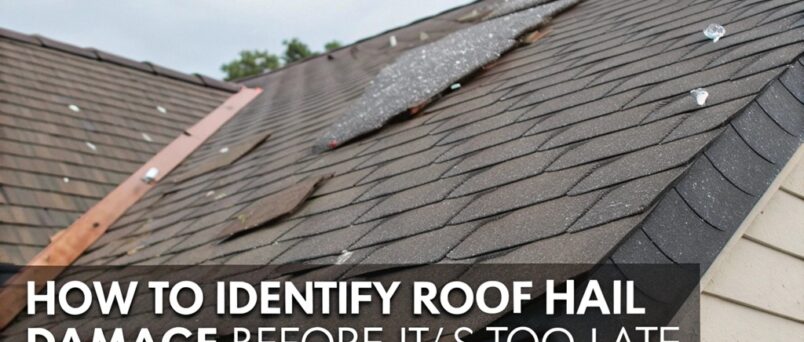
Hailstorms can be quiet destroyers of your home’s most important shield—your roof. After a storm passes, it’s easy to assume everything’s fine. However, undetected hail damage can slowly lead to leaks, mold, and costly repairs. It’s vital to catch problems early before they turn into major headaches.
According to the Insurance Information Institute, hail damage accounted for over $20 billion in losses in the United States in recent years. Many homeowners didn’t even realize their roof was compromised until it was too late.
Personally, after a spring hailstorm last year, I noticed a few granules in my gutters. At first, I didn’t think much of it. Months later, I had to replace part of my attic ceiling due to a leak that had quietly developed from roof hail damage. That experience taught me to act quickly and inspect thoroughly.
To avoid similar trouble, explore Roof Master Construction for professional help you can trust.
What Does Hail Damage Look Like?

It’s not always dramatic. In fact, hail damage can appear deceptively minor. But here are clear signs to watch for:
- Dark spots on shingles where granules are missing.
- Cracked, bruised, or dented shingles that feel soft to the touch.
- Damaged flashing or metal roof components with visible dents.
- Granule buildup in gutters after a hailstorm.
- Indentations on roof vents, chimneys, or skylights.
These marks might seem small, but they weaken your roof over time. If left untreated, they can lead to major structural damage.
To protect your home, always take a quick look at your roof after any hailstorm. And remember, even if you don’t see damage right away, that doesn’t mean it’s not there.
If you notice any of these signs, especially missing granules or cracked shingles, you may need to repair roof shingles to prevent future issues.
Common Roof Materials and How Hail Affects Them
Different roofing materials respond differently to hail. Knowing what kind of roof you have will help you understand what to look for after a storm.
Asphalt Shingles
These are the most common in the U.S. Hail can knock off the protective granules, exposing the felt beneath. Damaged shingles will look discolored or soft when touched.
Metal Roofs
While extremely durable, metal roofs often show visible dents after hail. Although dents may seem cosmetic, repeated impact weakens structural integrity.
Tile or Slate Roofs
Hail can crack or shatter tiles. This can create entry points for water, which is particularly risky in freeze-thaw climates.
Wood Shingles
They might show splits or sharp corners. Over time, this weakens the wood and allows moisture in.
Key Tip: After any storm, use a pair of binoculars to examine the roof from the ground. Look for uneven surfaces, color changes, or broken pieces.
Hail Damage vs. Normal Wear: How to Tell the Difference
Sometimes it’s hard to know if your roof damage was caused by hail or just aging. Here’s how to separate the two:
| Hail Damage | Normal Wear |
| Random pattern | Uniform wear |
| Circular dents or bruises | Smooth granule loss |
| Soft or spongy spots | Hard and brittle areas |
| Fresh granule loss | Worn down over years |
Hail damage tends to appear randomly and quickly. In contrast, wear and tear is consistent and gradual. If you notice sudden granule loss or new leaks shortly after a storm, it’s likely hail-related.
Additionally, insurance adjusters look for these distinctions when assessing claims. Documenting the date of the storm and capturing photos will help in that process.
What to Do After a Hailstorm
Once the hailstorm has passed, don’t delay. Follow these steps to assess and act fast:
- Stay safe. Wait until it’s clear and dry before inspecting anything.
- Check from the ground. Use binoculars to look at your roof for visible signs.
- Inspect gutters and downspouts. Granules here are a strong clue.
- Photograph any damage. This is important for insurance and contractors.
- Call your insurance provider. File a claim if you notice significant issues.
- Schedule a professional inspection. Hidden damage isn’t always visible to the untrained eye.
Hailstones as small as 1 inch can do damage, especially if combined with high winds. The National Weather Service notes that even quarter-sized hail can compromise roofs.
Don’t assume your roof’s safe because it “looks okay.” Trust but verify. A professional can catch what you might miss.
The Long-Term Risks of Ignoring Hail Damage
Putting off roof repairs might seem like a cost-saving move now—but it often leads to bigger bills later. Hail damage can create slow leaks, which are especially dangerous because they go unnoticed.
Over time, that moisture can:
- Rot your roof decking.
- Create black mold in your attic.
- Increase energy costs by compromising insulation.
- Lead to costly internal repairs, like ceiling and drywall damage.
According to FEMA, even a small, consistent leak can cause serious structural damage in just a few months. Insurance might not cover gradual damage if it was preventable.
If you suspect damage—even if minor—it’s better to get a free inspection than to gamble on hidden issues.
Why You Need a Professional Roof Inspection
You can do a lot from the ground, but only a certified roofer can assess the full extent of the damage. Professionals know how to:
- Safely climb and inspect your roof.
- Spot subtle signs like bruised shingles or hairline cracks.
- Create a detailed report for your insurance.
- Recommend urgent versus non-urgent repairs.
This is especially useful if you’re unsure whether your insurance will cover it. Most professional inspections are free and risk-free.
From personal experience, calling in a pro saved me thousands. I thought I had only one or two damaged shingles, but the inspection revealed deeper issues beneath the surface. The insurance covered most of the cost, but only because I acted quickly.
How to Prevent Future Hail Damage
You can’t stop a storm, but you can prepare your roof to handle it better. Here’s how:
- Install impact-resistant shingles. Look for Class 4 rated materials.
- Keep your roof maintained. Replace damaged or missing shingles promptly.
- Trim nearby trees. Falling branches make things worse during hailstorms.
- Add protective coverings. Use hail guards for skylights or vents.
The Insurance Institute for Business & Home Safety recommends impact-rated shingles as the best defense against hail. These can reduce insurance premiums and extend your roof’s lifespan.
Maintenance now can prevent massive repairs later.
Read More Also: Never Eat a Soggy Bottom Again: Foolproof Tips to Prevent Soggy Pie Crust Every Time
Conclusion
Hail damage may not always be dramatic, but it’s rarely harmless. What looks like a tiny dent or missing granule can lead to costly interior damage over time. Don’t wait for leaks or mold to confirm the problem.
Check your roof regularly, especially after a hailstorm. Know the signs of damage. And when in doubt, get a professional inspection.
Leave a comment below if you’ve ever dealt with hail damage—or share this guide with a friend who might need it!
Read More Also: Guide to Home Security Systems in the Colorado Mountains
FAQs
What size hail causes roof damage?
Hail as small as 1 inch (about the size of a quarter) can cause roof damage, especially to asphalt shingles.
Can I inspect roof hail damage myself?
Yes, you can do a basic inspection from the ground, but hire a professional for a thorough check.
How soon after a hailstorm should I check my roof?
Inspect as soon as it’s safe. Delaying may affect your insurance claim eligibility.
Will insurance cover roof hail damage?
Most policies cover hail damage, but it depends on the provider and how quickly you report it.
How can I protect my roof from future hailstorms?
Install impact-resistant materials and maintain your roof regularly to reduce long-term risks.