

Key Takeaways
- A balanced bouquet combines focal, secondary, and filler flowers with complementary greenery.
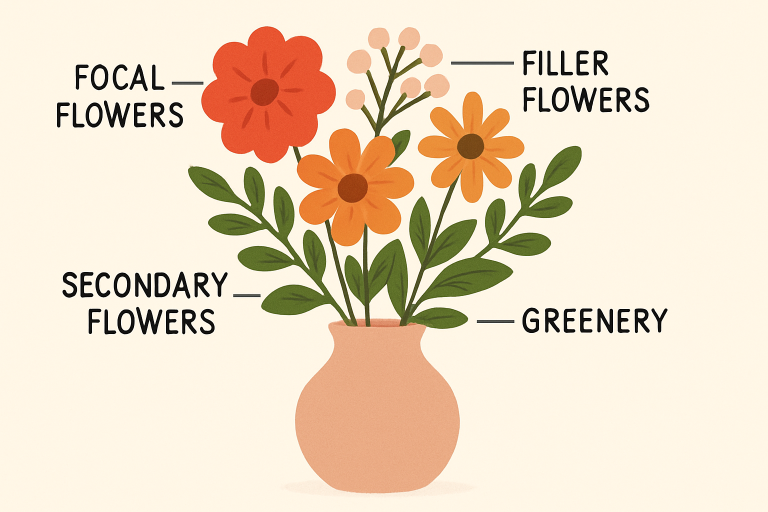
- Focal flowers create impact, while secondary blooms and fillers add depth, texture, and fullness.
- Seasonal flower selections improve freshness, affordability, and overall visual appeal.
- Thoughtful color coordination enhances harmony and sets the mood of the arrangement.
- Proper arranging techniques and regular maintenance help bouquets stay beautiful longer.
Flower arranging is an art that brings natural beauty and personal meaning into any space. While it may seem simple, crafting a visually pleasing bouquet requires an understanding of each flower’s role and how they fit together. With the right information, even beginners can design arrangements that are both striking and harmonious. Whether you are choosing a handmade bouquet for a loved one or sourcing blooms from a trusted Boston flower shop Boston, MA, learning about flower types is the first step to unforgettable arrangements.
The secrets of balance, texture, and color are not reserved for professional florists. Anyone can elevate their home or event with the right blooms and a bit of creativity. A well-composed bouquet brings together focal, secondary, and filler flowers, accented by lush greenery, and considers seasonal selections and color palettes to create a work of art in every vase.
Since every bouquet tells its own story, understanding these components lets you customize arrangements for celebrations, sympathy, or simply to freshen a room. The floral choices you make can communicate love, friendship, new beginnings, or serenity. Quality sources, careful flower selection, and thoughtful arrangements will ensure your bouquets shine in any setting.
Focal Flowers: The Centerpiece of Your Arrangement
Focal flowers take center stage in every arrangement, drawing the eye and establishing the mood. Iconic choices such as roses, sunflowers, and peonies naturally command attention. Their size, form, and color are major factors when designing a bouquet. While roses signify love and elegance, perfect for classic celebrations, sunflowers inject energy and positivity, perfect for summer parties or to brighten someone’s day. Peonies, prized for their rich, layered petals, convey romance and luxury, making them ideal for weddings and special occasions. Picking a focal bloom based on tone, color, and context ensures your bouquet makes an immediate impact.
Secondary Flowers: Complementing the Focal Point
While focal flowers set the stage, secondary blooms create depth and complement the stars of the bouquet. Snapdragons introduce vertical dimension and texture, lisianthus provide a soft, almost ethereal effect, and alstroemeria lend enduring color with their delicate petals. These flowers are selected to support, not outshine, the focal blooms. When thoughtfully included, they help create an integrated, visually interesting bouquet with multiple points of interest.
Filler Flowers: Adding Volume and Texture
Often subtle yet essential, filler flowers bring fullness and intricate texture to arrangements. Baby’s breath is beloved for its airy cloudlike effect, crowding bouquets with delicate white blossoms. Statice comes in vibrant hues, providing both contrast and extended longevity, while wax flowers introduce fragrance and pops of color. Fillers bridge the gaps between the larger blooms, ensuring each bouquet appears lush and abundant.
Greenery: The Unsung Hero
No bouquet feels complete without greenery to anchor it. These leafy elements frame the flowers and offer natural texture. Eucalyptus, known for its soothing scent and soft green tone, is frequently chosen for modern arrangements. Ferns add a feathery softness, often enhancing the sense of movement in a bouquet. Ruscus, prized for its sturdy, glossy leaves, adds strength and formal structure. Greenery also increases visual depth, highlighting the shape and color of each floral element.
Seasonal Considerations: Choosing the Right Flowers
Selecting blooms that are in season enhances your bouquet’s freshness, sustainability, and affordability. For spring, opt for tulips, daffodils, or hyacinths, all of which offer a burst of energy after winter. Summer arrangements are vibrant with sunflowers, zinnias, and dahlias. As the weather cools, autumn brings chrysanthemums, marigolds, and asters echoing the colors of turning leaves. Winter’s offerings like poinsettias, amaryllis, and holly evoke festive cheer. Seasonal awareness ensures you always have the best, most beautiful blooms at your disposal.
Color Harmony: Creating a Cohesive Palette
Color theory is key to a stunning bouquet. A monochromatic scheme using variations of a single color creates a unified, elegant effect, while analogous styles draw on neighboring hues on the color wheel for a gentle, blended result. Complementary colors, which sit opposite each other on the wheel, produce a striking, high-contrast arrangement. By carefully selecting colors, you can tailor your bouquet to any mood or occasion.
Arrangement Techniques: Assembling Your Bouquet
Start your arrangement by laying a base with greenery. This creates a structure to support your focal and secondary blooms. Arrange the focal flowers next to varying heights and angles to add dimension. Secondary blooms are nestled around these to introduce color and depth. Fillers weave throughout the bouquet, filling gaps and blending transitions between larger flowers. Rotate your bouquet regularly as you build to check for balance and fullness. A well-composed arrangement looks beautiful from every angle and reflects careful craftsmanship.
Care and Maintenance: Prolonging the Life of Your Bouquet
To enjoy your bouquet for as long as possible, follow these simple care steps. Trim all stems at a 45-degree angle before placing them in water. Change the water every 2 days to prevent bacterial buildup, and remove any wilting blooms promptly to keep others fresh. Display arrangements away from direct sunlight and appliances that produce heat. With proper care, your handmade bouquet can remain vibrant for many days, offering lasting beauty and joy.
Mastering the basics of bouquets allows you to create personalized, meaningful floral arrangements for any event or setting. By choosing the right combination of flowers, colors, and greenery and maintaining them with a bit of daily care, you can bring delightful, natural beauty into any part of your life.