

Key Takeaways
- Improved physical fitness and health
- Development of leadership and teamwork skills
- Enhanced discipline and focus
- Increased self-esteem and confidence
- Promotion of social inclusion and community engagement
Youth basketball programs are a powerful vehicle for personal growth, athletic improvement, and social development. Young athletes who join these programs build not only their physical strengths but also their communication and interpersonal skills. For many families, youth basketball is a bridge to new opportunities, healthy routines, and friendships. Programs like Illinois Attack provide structure and coaching tailored to the needs of developing players, making them a trusted option for parents and youth alike.
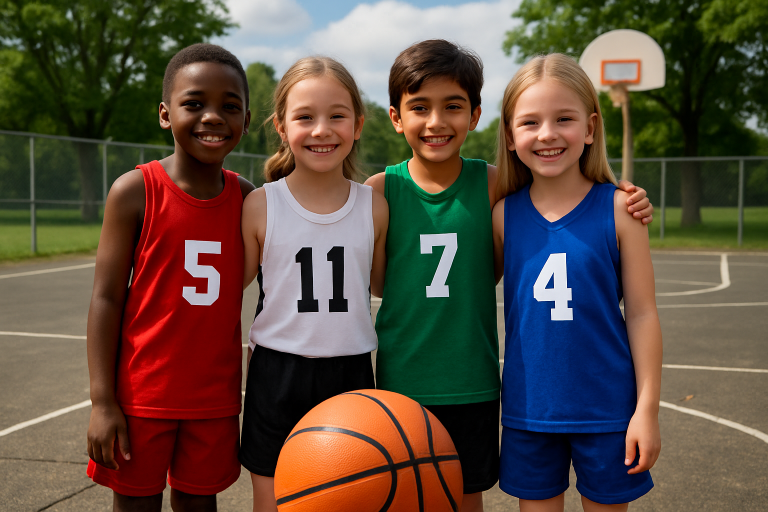
Playing basketball from a young age offers lifelong benefits. Children and teenagers learn to set goals, cope with setbacks, and support each other both on and off the court. These experiences often translate into success in school and community activities, helping to develop well-rounded, resilient individuals. Such programs also encourage diversity, teamwork, and respect. Through practice and competition, young athletes build skills and confidence, while learning discipline, goal-setting, and perseverance, traits that prepare them for success beyond sports.
Physical Fitness and Health
Basketball is a high-intensity sport, which makes it ideal for boosting cardiovascular health and muscle development. Youth who consistently participate in basketball enjoy stronger hearts, increased stamina, and improved coordination. The fast-paced nature of the game not only keeps players engaged but also encourages teamwork and communication skills. Regular physical activity, such as this, helps reduce obesity, supports immune function, and builds lifelong exercise habits. By fostering a love for the game, basketball can inspire young athletes to lead active, healthy lifestyles well into adulthood.
Leadership and Teamwork Skills
One of the most valuable lessons youth basketball programs provide is the importance of teamwork. Players are given chances to lead by example, inspire their teammates, and take responsibility for shared outcomes. Many organizations assign roles such as team captain or peer mentor to foster leadership and accountability. Through drills and real-time competition, young athletes experience firsthand the rewards of working collaboratively, overcoming obstacles, and celebrating group successes. Being part of a team helps children learn how to communicate effectively and make group decisions, skills that are critical in adulthood.
Discipline and Focus
Success in basketball depends on practice, strategic thinking, and a consistent commitment to improvement. Athletes must learn the game rules, memorize plays, and follow coaches’ instructions. This rigorous environment fosters discipline and focus, qualities that benefit players both academically and socially. The routine of regular practices and games lays a strong foundation for essential skills like time management, goal-setting, and determination. Through collaboration and teamwork, players also develop valuable interpersonal skills, which are crucial both on and off the court. Ultimately, the dedication to the sport cultivates a lifelong passion for personal growth and achievement.
Self-Esteem and Confidence
Participating in youth basketball programs builds confidence through achievement and positive encouragement. As players improve their skills, meet personal milestones, and contribute to their team’s victories, their self-esteem grows. Coaches and teammates serve as sources of support during challenging moments, teaching resilience and the value of persistence. These experiences help young people develop a strong sense of self-worth and optimism about their abilities.
Social Inclusion and Community Engagement
Basketball programs unite young people from diverse backgrounds, creating inclusive environments where everyone is valued. Shared goals and challenges help break down barriers and promote empathy. These programs often foster a spirit of community involvement, from volunteering at local events to participating in fundraising efforts. Involvement in team sports is also linked to better school attendance and stronger connections with caring adults in the community.
Accessible and Affordable Participation
Basketball remains accessible for most families due to its minimal equipment needs and the widespread availability of community courts. Unlike some youth sports that require expensive gear or club fees, basketball’s affordability means more children can experience its benefits. Local gyms, schools, and recreational organizations often provide low-cost leagues and clinics to ensure broad participation. Increased access promotes equity, giving every young athlete a chance to succeed regardless of financial circumstances.
Conclusion
Youth basketball programs provide more than just athletic training; they offer a platform for holistic development. Through improved fitness, leadership, discipline, and social experiences, young athletes gain skills that serve them for a lifetime. Community-oriented teams play a vital role in building confident, capable, and compassionate future leaders. By supporting youth involvement in basketball, communities invest not only in stronger athletes but in the next generation of engaged citizens and learners.