

Alaska’s rugged beauty is unmatched—towering glaciers, endless wilderness, and the mesmerizing dance of the Northern Lights. Yet, living in such a harsh, cold climate presents unique challenges to both body and mind. With six months of winter darkness in some regions and temperatures plunging below -40°F, it’s no surprise that seasonal depression, vitamin D deficiencies, and physical inactivity affect many residents.
According to a 2025 study by the Alaska Department of Health, 38% of Alaskans report struggling with mental and physical wellness during the winter months. The isolation, limited sunlight, and extreme cold can take a toll on even the hardiest individuals. However, the same study found that those who actively cultivate healthy mindset habits and adapt their lifestyles to the environment not only survive but thrive.
This guide isn’t about enduring Alaska’s winters—it’s about transforming them into an opportunity for growth. Whether you’re a lifelong Alaskan or a newcomer, you’ll discover how to improve your health and mindset in ways that align with the state’s unique rhythm. From self-improvement strategies to practical wellness routines, you’ll learn how to turn Alaska’s challenges into strengths.
The Science Behind Alaska’s Impact on Health and Mindset
The Role of Sunlight (or Lack Thereof)
Alaska’s extreme seasonal light variations disrupt circadian rhythms, leading to sleep disturbances and mood swings. During winter, only 4–6 hours of daylight in cities like Fairbanks can trigger Seasonal Affective Disorder (SAD), affecting 10–20% of the population, according to the American Psychiatric Association.
However, research from the University of Alaska Anchorage shows that exposure to bright indoor lighting and dawn simulators can mitigate these effects. Additionally, outdoor activity during daylight hours—even in cold temperatures—boosts serotonin levels and improves mood.
Cold Weather and Physical Health
The frigid climate demands more from the body. Cold exposure increases metabolic rate as the body works harder to stay warm, but it also stresses the cardiovascular system. A 2024 study in the Journal of Environmental Medicine found that Alaskans have a 20% higher risk of heart-related issues during extreme cold snaps.
Yet, the cold also offers benefits. Cold thermogenesis (the body’s heat production in response to cold) can enhance fat burning and reduce inflammation. The key is balancing exposure with protection—layering properly, staying active, and fueling the body with nutrient-dense foods.
The Psychological Resilience of Alaskans
Living in Alaska requires mental toughness. The isolation and harsh conditions foster a “can-do” attitude, but they can also lead to chronic stress and burnout. A survey by Alaska Behavioral Health revealed that 45% of residents use mindfulness and community support to cope with winter challenges.
This resilience is a testament to the power of healthy mindset habits. Those who practice gratitude, maintain social connections, and set small, achievable goals report higher life satisfaction, even in the darkest months.
How to Boost Mental and Physical Wellness in Alaska’s Climate
1. Harness the Power of Light Therapy
Light therapy lamps that emit 10,000 lux (similar to natural sunlight) can reduce SAD symptoms in 80% of users, according to the Mayo Clinic. Use a lamp for 20–30 minutes each morning to regulate your circadian rhythm.
Additionally, maximize natural light exposure by:
- Opening curtains during daylight hours.
- Sitting near windows while working or eating.
- Taking short walks outside, even on cloudy days.
2. Adapt Your Diet for Cold-Weather Nutrition
Alaska’s climate increases the body’s need for vitamin D, omega-3s, and complex carbohydrates. Focus on:
- Fatty fish (salmon, halibut) for omega-3s and vitamin D.
- Root vegetables (sweet potatoes, beets) for sustained energy.
- Fermented foods (sauerkraut, kefir) to support gut health and immunity.
Pro tip: Supplement with vitamin D3 (2,000–5,000 IU daily) during winter, as 90% of Alaskans are deficient in this critical nutrient.
3. Stay Active, Even When It’s Freezing
Exercise is a natural mood booster and circulation enhancer, both essential in cold climates. Try these Alaska-friendly activities:
- Snowshoeing or cross-country skiing for low-impact cardio.
- Indoor rock climbing at gyms like Alaska Rock Gym in Anchorage.
- Yoga or Pilates to maintain flexibility and reduce stress.
If outdoor exercise feels daunting, dress in moisture-wicking layers and cover extremities to prevent frostbite. Remember: Even 10 minutes outside can improve mental clarity.
4. Cultivate a Strong Social Support Network
Isolation is one of the biggest challenges in Alaska. Combat loneliness by:
- Joining local clubs or meetup groups (e.g., book clubs, hiking groups).
- Volunteering at community centers or animal shelters.
- Scheduling regular video calls with friends and family.
Studies show that social interaction increases oxytocin, a hormone that reduces stress and promotes bonding.
5. Practice Mindfulness and Stress Reduction
Mindfulness lowers cortisol levels and improves emotional regulation, both critical in high-stress environments. Try:
- Guided meditation (apps like Headspace or Calm offer winter-specific sessions).
- Deep breathing exercises to combat cold-induced tension.
- Journaling to reflect on daily wins and challenges.
Pro tip: Pair mindfulness with a warm beverage (like herbal tea or golden milk) to create a soothing ritual.
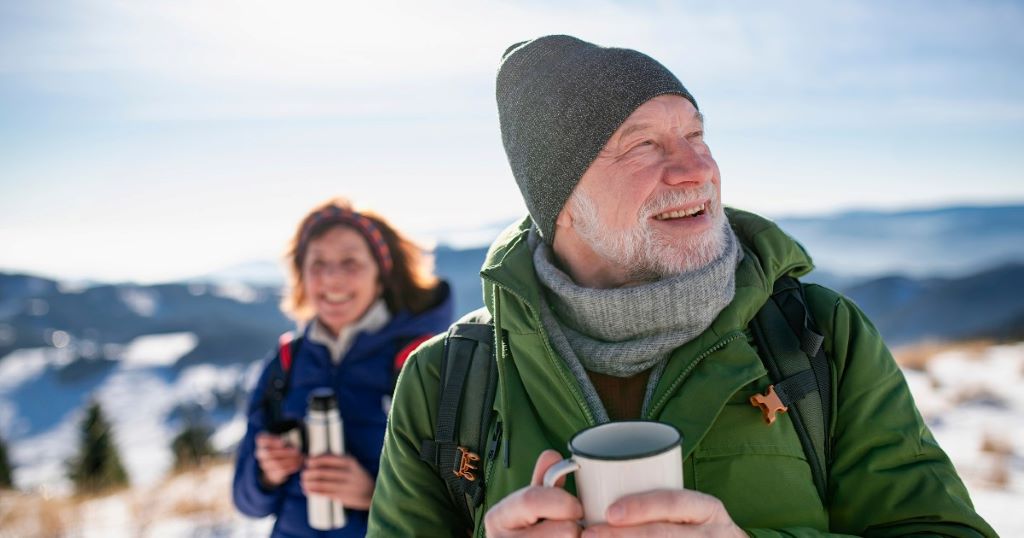
Healthy Mindset Habits for Alaskan Resilience
1. Set Seasonal Goals
Instead of waiting for summer, break the year into smaller seasons and set achievable goals for each. For example:
- Winter (Dec–Feb): Focus on indoor hobbies (knitting, reading, cooking).
- Spring (Mar–May): Plan outdoor adventures (hiking, wildlife photography).
- Summer (Jun–Aug): Prioritize social events and travel.
- Fall (Sep–Nov): Prepare for winter by stocking up on supplies and self-care tools.
2. Embrace the Danish Concept of “Hygge”
“Hygge” (pronounced hoo-gah) is the Danish art of coziness and contentment. In Alaska, this translates to:
- Creating warm, inviting spaces with blankets, candles, and soft lighting.
- Enjoying simple pleasures like a hot bath, a good book, or homemade soup.
- Focusing on gratitude for small joys, such as the beauty of fresh snowfall.
3. Develop a Cold-Weather Routine
Consistency is key in maintaining health and mindset during long winters. Design a daily routine that includes:
- Morning light exposure (light therapy or outdoor time).
- Midday movement (stretching, walking, or a quick workout).
- Evening wind-down (reading, meditation, or a warm drink).
4. Learn from Indigenous Wisdom
Alaska Native communities have thrived in this environment for thousands of years. Their traditions offer valuable lessons in resilience and harmony with nature. For example:
- Eating seasonal, local foods (like berries, fish, and game).
- Honoring the land through outdoor activities and respect for wildlife.
- Prioritizing community and storytelling to strengthen mental health.
5. Reframe Your Mindset Around Winter
Instead of dreading the cold, view it as an opportunity for:
- Self-improvement (learning new skills, reading, planning).
- Rest and recovery (your body and mind need downtime).
- Unique experiences (Northern Lights viewing, ice fishing, dog sledding).
Alaska-Specific Self-Improvement Strategies
1. Invest in the Right Gear
Having high-quality cold-weather gear makes a world of difference. Prioritize:
- Insulated, waterproof boots (e.g., Sorel or Baffin).
- Layered clothing (merino wool base layers, down jackets).
- Gloves, hats, and neck gaiters to protect extremities.
Pro tip: Test your gear in short outdoor trips before committing to longer excursions.
2. Create a “Winter Survival Kit”
Keep a kit stocked with:
- Hand warmers and thermal socks.
- Lip balm and moisturizer (cold air dries out skin).
- A thermos for hot drinks.
- Emergency snacks (nuts, jerky, dark chocolate).
3. Plan a Mid-Winter Getaway
If possible, take a short trip to a sunnier climate in January or February. Even a weekend in Seattle or Hawaii can reset your mood and vitamin D levels.
4. Use Technology to Your Advantage
- Sunrise alarm clocks simulate dawn to ease waking up in darkness.
- Fitness trackers monitor activity levels and remind you to move.
- Online therapy platforms (like BetterHelp) offer access to mental health support from home.
Related Topics:
- What are the Health Benefits of Nature?
- Which of These Are Characteristics of a Successful Entrepreneur Mindset?
FAQs: Your Alaska Health and Mindset Questions Answered
1. How can I stay motivated to exercise in the cold?
Focus on indoor activities you enjoy, like dancing, yoga, or home workouts. If you prefer the outdoors, buddy up with a friend for accountability.
2. What are the best foods to eat for energy in winter?
Prioritize complex carbs (oats, quinoa), healthy fats (avocados, nuts), and protein-rich foods (fish, beans). Avoid excessive sugar, which leads to energy crashes.
3. How do I combat seasonal depression naturally?
Combine light therapy, exercise, social connection, and omega-3 supplements. If symptoms persist, consult a mental health professional.
4. Is it safe to spend time outside in extreme cold?
Yes, if you dress appropriately and limit exposure. Watch for signs of frostbite (numbness, white patches on skin) and hypothermia (shivering, confusion).
5. How can I improve my sleep during Alaska’s winter?
Maintain a consistent sleep schedule, limit screen time before bed, and use blackout curtains to simulate darkness. A warm bath or chamomile tea can also promote relaxation.
6. What are some fun indoor activities to boost my mood?
Try baking, painting, learning an instrument, or hosting game nights. Libraries and community centers often offer free workshops and classes.
7. How do I stay connected with others when travel is difficult?
Use video calls, social media groups, and local events to stay engaged. Many Alaskan towns have winter festivals and markets that foster community.
Conclusion: Thriving in Alaska’s Wild Beauty
Alaska’s cold climate is not just a challenge—it’s an invitation to build resilience, deepen self-awareness, and cultivate a life of intention. By focusing on health and mindset together, you can transform the winter months into a time of growth, connection, and vitality.
Start small: Add one new habit this week, whether it’s light therapy, a daily walk, or a gratitude practice. Pay attention to how your body and mind respond, and adjust as needed.
Remember, Alaskans are some of the toughest, most adaptable people on the planet. By embracing the state’s unique rhythm, you’re not just surviving—you’re thriving in one of the most breathtaking places on Earth.
Ready to take the first step? Share your favorite winter wellness tip in the comments below, or challenge a friend to join you in a 30-day Alaska resilience challenge. Together, you can make this winter your healthiest and happiest yet.