

Owning a private well provides independence and direct control over your household’s water supply, but it also introduces maintenance responsibilities that can’t be ignored. Recognizing early warning signs of well issues is essential to maintaining water quality, safeguarding your family’s health, and preventing costly repairs. Being proactive in monitoring your well can make a significant difference. Homeowners who encounter the concerns listed here should not hesitate to consult a drilling consultancy for a thorough inspection or to recommend necessary repairs.
When even minor symptoms go unchecked, underlying mechanical, electrical, or water quality problems can grow, increasing the risk to your plumbing system and appliances. Developing a habit of monitoring changes in pressure, water clarity, or even monthly utility bills helps ensure reliability. Both practical and preventive steps can keep you and your water supply in top condition and safe year-round.
Left unresolved, some issues can more rapidly degrade your well’s performance, invite contamination, or even result in sudden loss of water supply for your household. It’s not just about comfort—it’s also about protecting your health from contaminants like bacteria, excess minerals, or foreign elements.
Decreased Water Pressure
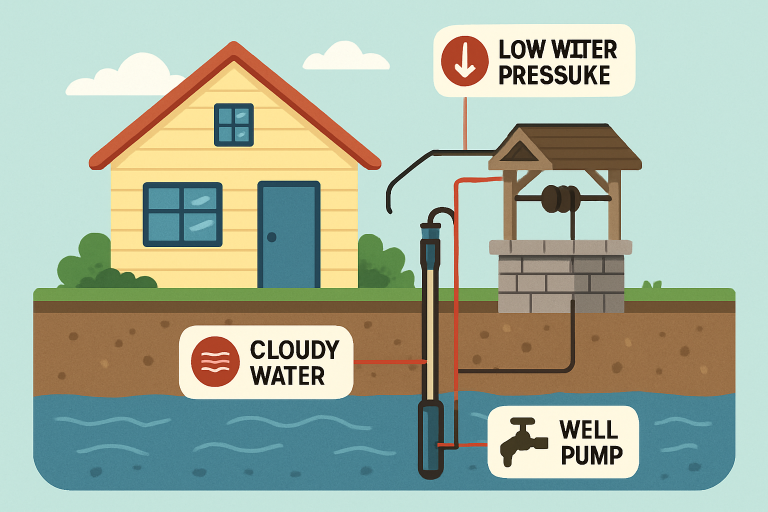
One of the most noticeable warnings homeowners experience is a sudden or gradual drop in water pressure throughout their home. While it may simply result from a clogged faucet aerator, persistent low pressure often signals deeper concerns such as a failing well pump, obstructions within the pipes, or issues with the pressure tank. Addressing such problems promptly not only restores pressure but can also prevent more severe issues, such as damaged pumps or water shortages.
Air Spitting from Faucets
It is never normal for air to spit out from your faucets. If you observe sputtering or bursts of air mixed with water, this can indicate that air is entering the system due to a cracked pipe below ground or a faulty check valve. Air entering the line should be a red flag, as it suggests your well system is no longer maintaining a proper seal, potentially allowing contaminants into your water supply.
Murky or Discolored Water
Water should always run clear. If you notice water that is brown, yellow, or cloudy, sediment buildup, mineral intrusion, or surface water contamination may be to blame. Not only are these signs of a compromised well, but using or consuming such water can carry serious health risks. Testing your water and inspecting your well are crucial steps if discoloration occurs.
Unusual Noises from the Well Pump
Well pumps should run quietly. If you detect clicking, grinding, or other abnormal sounds, it often points to mechanical wear, loose components, or debris interfering with the pump’s operation. These noises, when ignored, can accelerate pump failure or cause further internal damage requiring costly replacements.
Unexplained Increase in Energy Bills
Wells and their pumps are designed to work efficiently. If you see your energy bills rising suddenly and you haven’t changed your water use, it may mean your pump is working harder than normal. Issues such as a partially blocked pipe, a clogged filter, or an aging, inefficient motor can force the system to run more often, consuming extra electricity and risking burnout.
Water Tastes or Smells Unusual
Fresh well water should not have any noticeable taste or odor. Metallic, bitter, or sulfurous (“rotten egg”) scents indicate the presence of minerals, bacteria, or other contaminants in the water supply. It is not safe to ignore such changes, as they may indicate compromised water safety. Immediate testing and, if necessary, filtration or treatment are advised.
Sediment in Water Fixtures
Occasionally, finding sand, grit, or small debris in basins or appliances is a worrisome sign. This usually means your well pump is drawing up sediment from your well, which can lead to appliance damage and premature wear of plumbing fixtures. Scheduling a professional inspection can help identify whether the pump, the well, or the casing is at fault.
Frequent Cycling of the Well Pump
A well pump that turns on and off too frequently (short-cycling) may be experiencing issues with a broken pressure switch, leaking pipes, or a waterlogged pressure tank. Not only does this constant starting and stopping increase electricity consumption, but it also shortens the lifespan of your pump. Addressing these underlying problems protects your investment and maintains reliable water service.
Final Thoughts
Monitoring your private well and acting promptly when you notice any of these warning signs is crucial for maintaining system performance and water quality. Scheduling regular inspections and promptly pursuing repairs can extend the lifespan of your well, prevent health hazards, and protect your household’s water supply. When in doubt, consult with experienced professionals to keep your well in optimal condition throughout the year.