
Key Takeaways
- A pilot career depends on preparation, medical fitness, study discipline, finances, and professional habits, not only on logged flight time.
- Most commercial paths progress through foundational training, licenses, ratings, and deliberate experience building.
- Airlines are one option, but instruction, charter, cargo, surveying, tourism, and remote operations can also offer valuable early experience.
- School schedules, aircraft availability, instructor access, and regional hiring conditions can affect both the cost and pace of training.
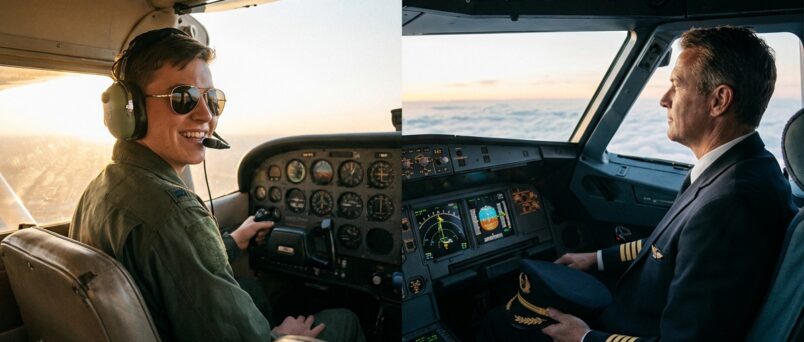
Learning to fly is exciting, but turning that interest into a sustainable pilot career calls for a plan that begins before the first lesson. Students who understand the likely training sequence, time commitment, and possible first jobs can make decisions with fewer surprises.
A clear plan does not lock anyone into one employer or aircraft type. Instead, it helps a future pilot match training choices with personal finances, family obligations, preferred flying environment, and long-term goals.
Why Planning Before Flight Training Matters
Recreational flying, commercial flying, and airline-oriented training can overlap at the start, but their end goals are different. Defining the goal early can reduce rushed spending, repeated training, and disappointment caused by unrealistic timelines. It also creates a practical way to measure progress when weather, work, or aircraft maintenance interrupts a schedule.
Step 1: Check Medical And Personal Readiness
An aviation medical assessment should be addressed early, before a large financial commitment. Canadian applicants must meet licensing requirements that include identity, medical fitness, knowledge, experience, language proficiency, and skill, so reviewing current requirements is an important starting point.
Personal readiness matters too. Consider vision and hearing needs, medications, sleep, study time, transportation, work commitments, and whether relocation could eventually be necessary. Build a budget that includes a reserve for extra lessons, retests, equipment, and ordinary living expenses.
Step 2: Choose A Training Route That Fits
People exploring different aviation careers should compare training formats as carefully as they compare prices. A lower hourly aircraft rate may not result in a lower total cost if scheduling gaps slow skill development.
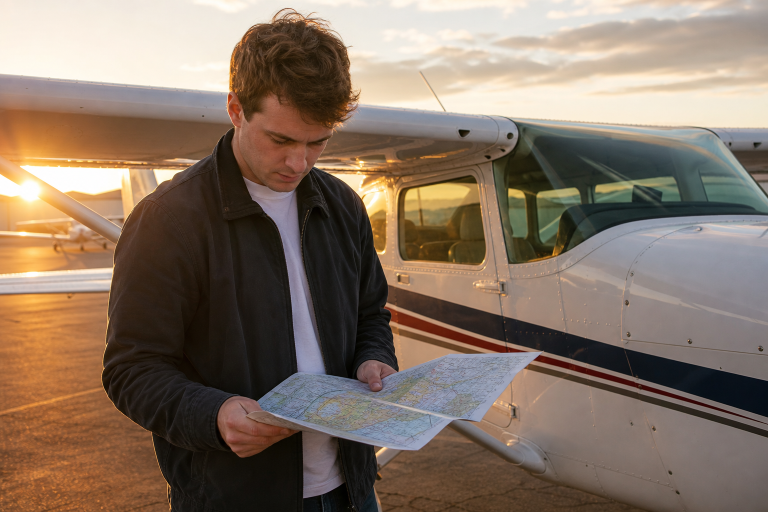
- Modular training can suit students who need to work, prefer to pay stage by stage, or need flexibility around family commitments.
- Structured full-time programs may suit learners who benefit from a fixed syllabus, regular flying, classroom support, and a more concentrated schedule.
Before enrolling, ask how many training aircraft are available, how often students typically fly, what happens during maintenance delays, which fees are included, and how written and flight-test preparation is supported.
Step 3: Build The Licence And Rating Sequence
The exact order can vary, but a typical airplane path begins with student pilot training and progresses through a private pilot license, night qualification, commercial training, and ratings that support particular kinds of work. Instrument and multi-engine qualifications can expand future options, while an instructor rating may provide a direct route to building experience through teaching.
Each stage should develop more than a new credential. Private training strengthens navigation, weather planning, fuel management, and decision-making. Commercial training raises the expected standard of accuracy, judgement, and professionalism. Instrument training develops confidence when visual references are limited, while multi-engine training introduces new systems knowledge and engine-out procedures.
Step 4: Treat Ground School As Flight Training
Strong cockpit performance rests on a strong theory. Meteorology, air law, aircraft systems, human factors, navigation, performance, and weight-and-balance calculations all shape real decisions before and during a flight. Study in short sessions throughout the week, use practice questions, review mistakes, and ask for clarification before knowledge gaps become habits.
Step 5: Build Professional Habits From Day One
Reliable habits are visible long before a pilot applies for a job. Arrive prepared, use checklists carefully, maintain accurate logbook entries, communicate clearly on the radio, care for aircraft equipment, and accept feedback without becoming defensive.
For example, a student who reviews weather, aircraft documents, route details, fuel, and weight-and-balance figures before a lesson can spend more cockpit time applying skills rather than catching up on basic preparation. That preparation also supports calmer decision-making when conditions change.
Step 6: Choose A Useful First Flying Job
A first flying job does not need to be a final destination. The best early role is often one that develops sound judgement, consistency, and operational awareness.
- Flight instruction develops communication, planning, and aircraft-handling skills.
- Charter and scenic flying add passenger interaction, schedule flexibility, and destination planning.
- Aerial surveying can build route discipline and attention during repetitive tasks.
- Cargo and remote operations may build experience with time-sensitive planning, weather judgement, and aircraft preparation.
Step 7: Read The Job Market Carefully
National headlines do not guarantee openings in every region or for every experience level. Current regional employment outlooks show that prospects for air pilots, flight engineers, and flying instructors can differ substantially across Canada. Review postings repeatedly, noting minimum hours, required ratings, aircraft types, work schedules, and relocation expectations.
Prepare For The Search And Avoid Financial Mistakes
A pilot résumé should be simple and accurate. Include licenses and ratings, total time, pilot-in-command and cross-country time, night, instrument, and multi-engine experience, aircraft types, recent activity, relevant work history, and references who can speak to reliability and judgement.
Financially, avoid budgeting only for the minimum required hours. Request itemized estimates for aircraft rental, instructor time, ground school, exams, medicals, books, headsets, transportation, housing, and possible additional training. Review deposit rules and loan terms before committing funds.
How To Stay Ready During A Slow Hiring Period
If hiring takes longer than expected, keep records organized and maintain currency in accordance with applicable rules. Continue studying procedures, practice technical and behavioral interview answers, attend aviation events, speak respectfully with operators, and remain open to smaller communities or entry-level roles. A professional network is built through consistent relationships, not requests for guarantees.
Questions New Students Often Ask
How Long Does It Take To Become A Commercial Pilot?
The timeline depends on flight frequency, weather, aircraft availability, finances, test performance, and personal commitments. Consistent training often helps, but no schedule should be treated as a promise.
Is An Airline Job The Only Good Outcome?
No. Some pilots prefer instruction, charter, cargo, surveying, emergency services, tourism, or remote operations. Career satisfaction often depends on lifestyle, location, schedule, and the type of flying involved.
What Makes A New Pilot Employable?
Hours matter, but employers also look for judgement, communication, accurate records, punctuality, teachability, and dependable professional conduct.
A Simple 2026 Career Planning Checklist
- Complete an early medical assessment.
- Identify the kinds of flying that genuinely interest you.
- Compare at least three training options and detailed cost estimates.
- Choose a realistic schedule and track every qualification and hour.
- Review progress regularly with an instructor.
- Research employers before reaching the job-search stage.
- Stay flexible about location and the type of first flying job.
Conclusion
A pilot career is built one stage at a time. Early medical planning, steady study, realistic finances, careful training choices, and professional habits all contribute to stronger opportunities later. By treating each license, rating, and job application as part of a larger plan, new pilots can approach their first flying role with better skills and clearer expectations.