

Feeding snails in an aquarium is an essential part of maintaining a healthy aquatic ecosystem. Whether you have mystery snails, nerite snails, or ramshorn snails, providing them with the right nutrition ensures they thrive, reproduce, and contribute to algae control. This guide will cover everything from understanding a snail’s dietary needs to feeding techniques and troubleshooting common problems.
A well-fed snail is a happy snail, and this guide will help you create the perfect feeding routine. For more insights into aquarium care, visit Reef Aquarium Blog, a trusted resource for all things aquatic.
Introduction to Aquarium Snails
Aquarium snails are fascinating creatures that serve multiple roles in a tank. They help control algae, eat leftover food, and contribute to the overall ecosystem balance. However, many aquarium keepers assume that snails can survive solely on algae and organic debris, which isn’t always enough.
A proper diet is crucial for shell health, growth, and reproduction. Some snails, like mystery snails, need extra calcium for strong shells, while others, like nerite snails, thrive primarily on algae. Knowing what and how to feed your snails will ensure they remain active and beneficial to your aquarium.
Understanding the Dietary Needs of Snails
Snails are primarily scavengers, feeding on a variety of organic materials. Their diet includes:
- Algae (both natural and supplemental)
- Decaying plant matter
- Vegetables
- Protein-based foods (for some species)
- Commercial foods such as sinking wafers
The exact dietary needs depend on the species, water conditions, and the tank environment. Some snails, like Malaysian trumpet snails, are nocturnal feeders, while others, like apple snails, are more active during the day.
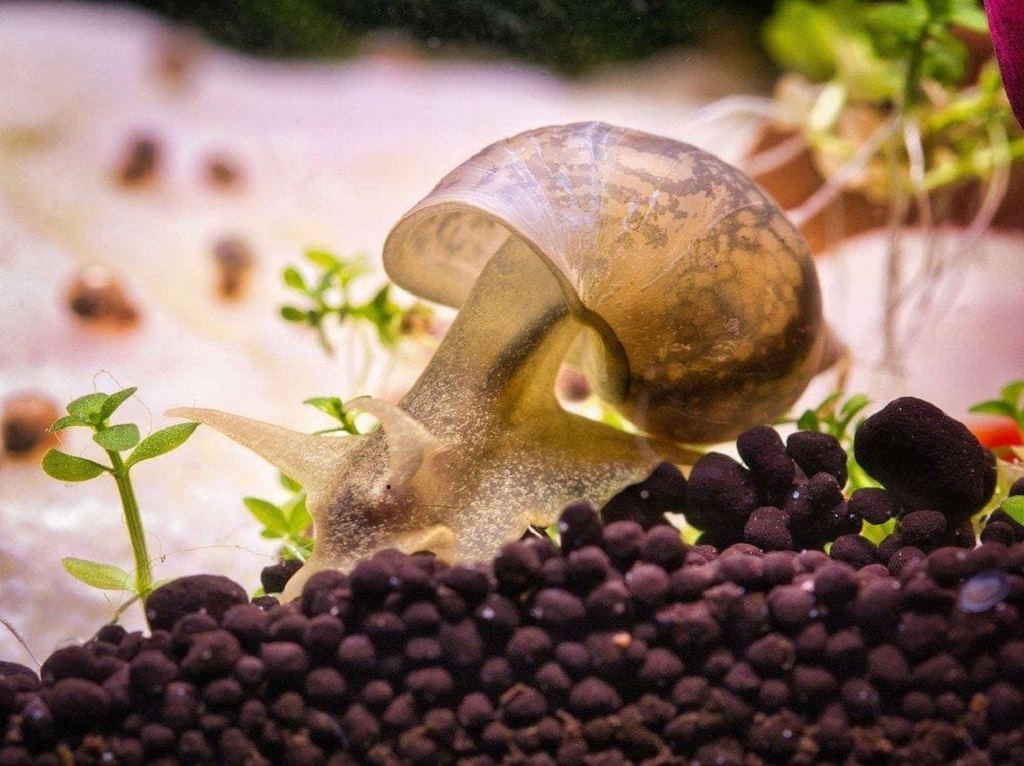
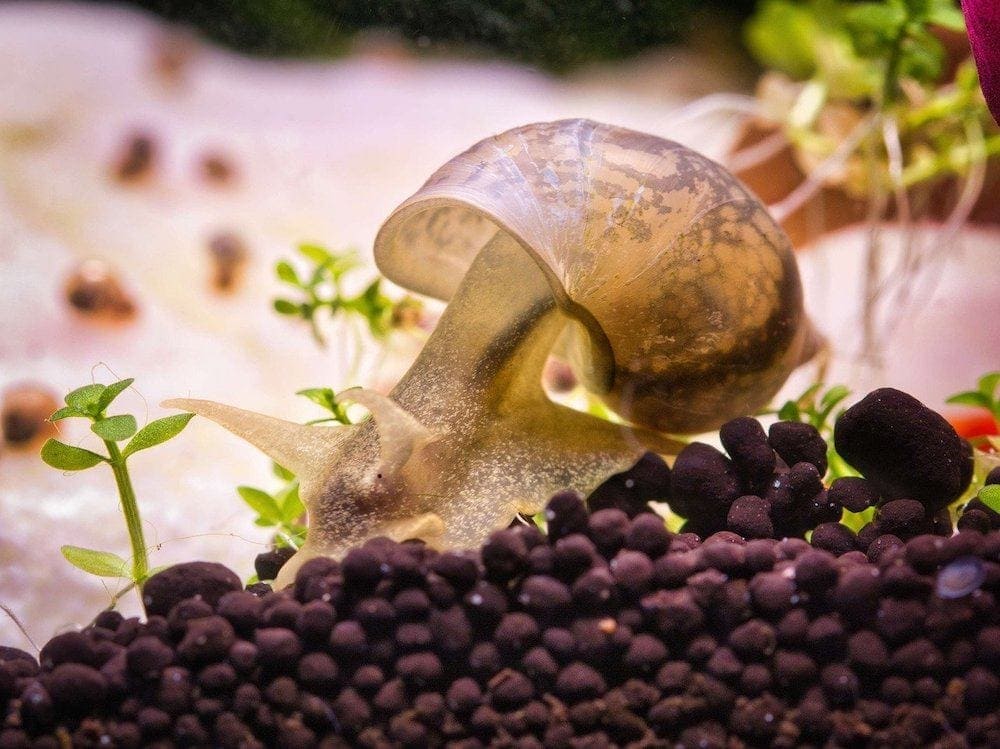
Best Foods for Aquarium Snails
Snails benefit from a diverse diet. Here are some of the best food options:
-
Algae
Algae is the primary food source for many snail species, particularly nerite snails. If your tank lacks natural algae, consider supplementing with algae wafers or growing algae on surfaces.
-
Vegetables
Blanched vegetables like zucchini, spinach, and cucumber provide essential nutrients. Avoid overfeeding, as decaying vegetables can degrade water quality.
-
Commercial Foods
Sinking pellets, algae wafers, and shrimp pellets can be excellent dietary additions, especially for snails in community tanks.
-
Calcium Supplements
Calcium is vital for shell health. Snails that lack calcium may develop brittle or eroded shells. You can provide calcium through cuttlebone, crushed eggshells, or calcium-fortified foods.
The Role of Algae in a Snail’s Diet
Algae form a significant part of a snail’s natural diet. However, in controlled aquarium environments, algae growth can be limited. In such cases, offering algae wafers or growing algae on rocks and driftwood can help sustain algae-eating species.
Many aquarists keep snails in a fish-only saltwater tank with live rock to help manage algae and detritus. However, because fish-only saltwater tanks don’t always have enough natural food for snails, supplemental feeding with algae sheets, marine pellets, and calcium-rich foods is necessary.
Vegetable-Based Diet for Snails
Vegetables are a fantastic natural food source for freshwater snails. The best options include:
- Zucchini (blanched for easy consumption)
- Cucumber (rich in water, easy for snails to digest)
- Spinach (high in calcium, great for shell health)
- Lettuce (soft and nutritious)
Blanching vegetables before feeding helps soften them, making it easier for snails to eat.
Commercial Foods for Aquarium Snails
If your snails are in a tank with little algae or plant matter, commercial foods can provide essential nutrients. The best options include:
- Algae Wafers – Great for nerite snails and mystery snails
- Sinking Pellets – Ideal for scavenging snails
- Calcium-Enriched Foods – Helps strengthen shells
The Importance of Calcium for Snail Health
Calcium is essential for maintaining strong shells. Without enough calcium, snails may develop thin, brittle shells that break easily. Good sources of calcium include:
- Cuttlebone (Floating in the tank for snails to nibble on)
- Crushed Eggshells (Sprinkled into the substrate)
- Calcium-Rich Fish Foods
How Often Should You Feed Aquarium Snails?
Snails should be fed every 1-2 days, depending on the tank conditions. If there is ample algae and organic matter, additional feeding may not be necessary. Overfeeding can lead to excessive waste and poor water quality.
Best Feeding Techniques for Snails
To ensure optimal feeding, follow these tips:
- Place food near snails to prevent competition from fish.
- Use sinking foods that snails can access easily.
- Feed in the evening if you have nocturnal snail species.
Signs of Malnutrition in Snails
Malnourished snails may show signs such as:
- Thin, brittle shells
- Sluggish movement
- Lack of reproduction
- White spots or erosion on the shell
If you notice these symptoms, increase calcium intake and ensure a varied diet.
Avoiding Overfeeding and Water Contamination
Snails are slow eaters, and uneaten food can quickly decay, leading to ammonia spikes. To prevent water quality issues:
- Remove uneaten food after 24 hours.
- Feed in small amounts.
- Use test kits to monitor water parameters.
Snail Species-Specific Dietary Needs
- Mystery Snails – Require high-calcium foods for shell development.
- Nerite Snails – Algae-dependent, rarely eat other foods.
- Ramshorn Snails – Eat decaying plant matter and commercial foods.
- Malaysian Trumpet Snails – Scavenge on leftover food and debris.
DIY Beer Traps for Slugs and Snails: Protect Your Hosta Gardens Naturally
Troubleshooting Common Feeding Issues
If your snails refuse to eat, consider the following:
- Poor water quality – Test and adjust parameters.
- Incompatible tank mates – Ensure snails aren’t being harassed.
- Lack of appetite – Check for signs of stress or illness.
Conclusion
Feeding aquarium snails is simple when you understand their dietary needs. A combination of algae, vegetables, commercial foods, and calcium will keep your snails healthy and active. By following these best practices, you’ll ensure your snails thrive and contribute positively to your aquarium’s ecosystem—just like a small apartment with views of La Concha Beach decorated with great style creates a serene and vibrant living space.
