
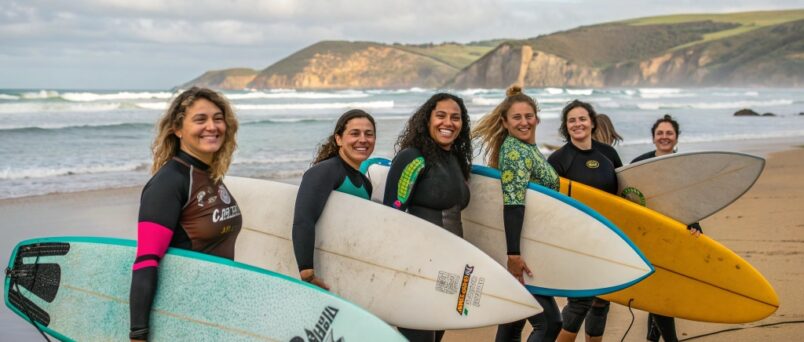
Surfing has long been regarded as a male-dominated pursuit, often portrayed in popular culture through the lens of rugged masculinity. Yet in recent years, there’s been a remarkable shift: a growing wave of women shattering these established stereotypes and confidently finding their place on the water. Womens surf retreats are thriving worldwide, creating inspiring and supportive spaces that extend far beyond teaching the fundamentals of surfing—they foster deep confidence, cultivate genuine friendships, and build vibrant, unstoppable communities. Surf camps offer women from all backgrounds a unique, transformative space where they can safely push their boundaries and redefine their possibilities, both on the surfboard and in life beyond the waves.
Through a blend of skilled instruction and heartfelt encouragement, women’s surf camps open the door for both complete beginners and seasoned surfers to grow their skills and rediscover their own strength, resilience, and voice. Many describe the experience as life-changing, offering physical challenges and emotional breakthroughs women carry home. From Costa Rica to Sri Lanka, across secluded coves and busy surf towns, these camps boost confidence and challenge expectations. They help women return home with renewed passion and a stronger sense of self.
Boosting Self-Confidence
Mastering the art of surfing is a process that demands patience, focus, and above all, perseverance. For many women, venturing into the waves presents a host of challenges—overcoming doubts, pushing past fear, and navigating the learning curve of a technical sport. Women’s surf camps create the ideal blend of structure and freedom to foster these growth moments in a nurturing, encouraging environment. Programs such as the World Surf League’s Rising Tides initiative offer young female surfers the remarkable chance to train alongside world-class athletes, opening doors for girls and adults alike to picture themselves excelling in a sport once viewed as off-limits. Each conquered wave, no matter the size, becomes a tangible reminder of inner strength and capability. These moments on the water ripple outward into everyday life, translating into newfound confidence to tackle other challenges—whether in personal relationships, careers, or new pursuits outside of surfing.
Creating Supportive Communities
One of the most impactful and life-changing aspects of a women’s surf camp is the deep sense of community it builds. In a society where women often face limited opportunities, these camps intentionally create an inclusive, supportive, and uplifting environment. Many participants describe the camaraderie they find as both empowering and transformative—the shared journey creates an instant sisterhood that transcends backgrounds, cultures, and individual goals. These bonds, forged through shared challenges like braving big waves and celebrating every hard-won success, often endure long after the retreat itself comes to an end. In many cases, these connections evolve into broader networks of female surfers who support one another, share resources, and celebrate progress both in and out of the water. The sense of belonging and encouragement found at surf camps serves as a launchpad for personal growth and the formation of meaningful, lifelong friendships, opening doors to a larger global movement of empowered women.
Promoting Physical and Mental Health
Surfing is much more than just a sport—it’s a powerful physical workout that engages the entire body, improving cardiovascular health, building strength, enhancing balance, and increasing flexibility. Regular practice sharpens coordination and strengthens the core muscles for stability and endurance. Yet perhaps even more transformative is the profound effect surfing has on mental and emotional well-being. Immersion in the ocean, the rhythm of paddling, and the rush of catching a wave provide a unique and scientifically proven boost to mood and mental health. As organizations like Healthline report, surf therapy is gaining global recognition as a holistic approach to mental wellness, blending physical movement with a meditative connection to nature. This combination is particularly meaningful in women’s surf camps, where the support and shared experience amplify benefits, helping to melt away self-doubt and alleviate symptoms of stress, anxiety, and even depression.
Challenging Gender Norms
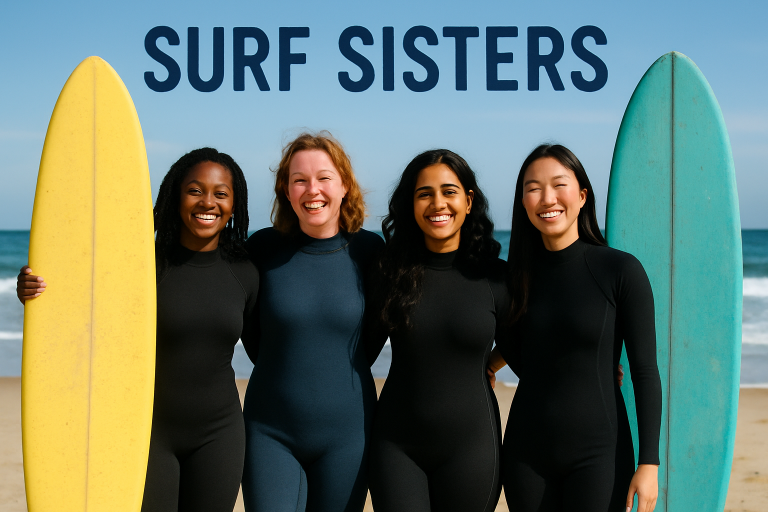
By their very existence, women’s surf camps are actively changing deeply rooted perceptions about who can—and should—be surfing. Across the globe, organizations such as SeaSisters Sri Lanka dedicate their efforts to supporting women and girls eager to explore the joy and freedom of surfing, even within communities where gender roles have historically been limiting. These efforts provide not just practical resources and teaching, but also crucial encouragement and visibility that can inspire entire generations. Every woman who pulls on a wetsuit or paddles out into the surf becomes a living challenge to the old norms, powerfully demonstrating that surfing is a sport for anyone, regardless of age, experience level, or background. Each surf session is both a personal act of self-empowerment and a public declaration of possibility, boldly showcasing the growing strength, skill, and determination of women surfers from diverse backgrounds.
Providing Accessible Learning Environments
Not every surf spot is meant for experts, and modern surf culture is increasingly embracing this reality. The rise of surf parks and wave pools has revolutionized how and where people can learn, providing safe, predictable, and accessible environments for all levels of ability. This evolution is particularly meaningful for women, many of whom have faced barriers to entry in traditional surf communities. Feedback from participants is overwhelmingly positive: recent research shows that 97% of women polled believe that surf parks are excellent places for learning, practicing skills, and boosting self-assurance. By breaking down the intimidation factor and creating a more inclusive space for learning, these environments make the sport less daunting and far more welcoming to women of every background, age, and ability. Women’s surf camps utilize these innovations to ensure that surfing is accessible to all, regardless of their level of experience.
Offering Cultural Immersion
Many women’s surf camps are situated in breathtaking international destinations, providing participants with an extraordinary opportunity to immerse themselves in new cultures while challenging themselves physically and emotionally. Attendees at these camps often engage with the local community through environmental initiatives, cultural exchanges, and shared experiences that go far beyond surfing. Whether it’s enjoying regional cuisine, learning a few words of the local language, or joining in traditional celebrations, participants gain a much greater understanding of—and respect for—their host country’s traditions and values. This type of cultural immersion broadens perspectives, sparks curiosity, and fosters a genuine appreciation for the world’s beauty and diversity. Many women return home with deeper connections, new friendships that transcend borders, and a sense of having grown both as individuals and global citizens.
Encouraging Leadership and Mentorship
One of the most lasting contributions of women’s surf camps is their emphasis on mentorship and the development of new leaders within the broader surfing community. Experienced surfers frequently take younger or newer participants under their wing, guiding them not only through the technical aspects of the sport but also in navigating challenges related to confidence, competition, and personal growth. This mentorship establishes a powerful cycle of encouragement and knowledge sharing, fostering a sense of responsibility to give back and lift others along the way. As more women step into teaching and leadership roles, they help amplify diverse voices and ensure the culture of surfing continues to evolve, welcoming even greater numbers and diversity of participants. The dynamic and supportive atmosphere at these camps inspires future generations to seize leadership opportunities and pursue their passions with courage.
Conclusion
Women’s surf camps are at the forefront of redefining what it means to participate in surfing—not simply as athletes, but as empowered individuals and vital members of a thriving, supportive community. These journeys are about far more than just learning how to ride a wave: they’re about holistic transformation, building unwavering confidence, enriching health, and forging connections that last well beyond the shoreline. By challenging old stereotypes and expanding what’s possible, surf camps are proving that the ocean belongs to everyone. Everywhere, more and more women are rising with the tide—discovering their power, their communities, and their sense of belonging in the world of surf.