

Key Takeaways:
- Regular primary care visits are essential for early detection and prevention of chronic diseases.
- Consistent check-ups lead to better management of existing health conditions.
- Establishing a relationship with a primary care provider enhances personalized care and trust.
- Preventive screenings during routine visits can significantly reduce healthcare costs over time.
The Role of Primary Care in Preventive Health
Regular visits to a primary care provider (PCP) are crucial for maintaining overall health. These appointments allow for early detection of potential health issues, enabling timely intervention and management. For instance, routine screenings can identify conditions like high blood pressure and diabetes before they become severe. If you’re seeking a primary care doctor Orange County, CA, consider Pathway Medical Group. They offer comprehensive primary care services tailored to your needs. Their team of board-certified professionals is dedicated to building lasting relationships with patients, ensuring individualized care that focuses on prevention and long-term health.
In addition to physical exams and screenings, primary care visits are an opportunity to discuss overall wellness, nutrition, mental health, and lifestyle habits. Your PCP can offer guidance on diet and exercise, stress reduction, and the management of day-to-day health challenges. Primary care is not just about treating illness; it’s about emphasizing holistic care and long-term healthy living. When primary care providers act as the hub for your healthcare needs, you benefit from a coordinated, team-based approach that covers all aspects of your health.
Early Detection and Management of Chronic Diseases
Chronic diseases often develop silently, without noticeable symptoms. Regular check-ups facilitate early detection through screenings and assessments. According to a report by the Milbank Memorial Fund, 95.5% of adults with a primary care provider receive preventive services for chronic diseases, compared to just 67.6% of those without one. This proactive approach leads to better health outcomes and reduces the risk of complications.
Moreover, tracking health trends over time enables earlier interventions when changes are detected. Chronic diseases such as heart disease, COPD, or arthritis can be managed more effectively when monitored by a primary care physician. They can adjust medications, recommend therapies, and help coordinate care with specialists as needed, ensuring that a small issue does not become a major problem.
Building a Trusting Relationship with Your PCP
Consistent visits to the same PCP foster a strong patient-provider relationship. This continuity of care ensures that your doctor is familiar with your medical history, lifestyle, and health goals, allowing for personalized care. A study published in JAMA Network Open found that patients with regular and continuous primary care visits experienced significant Medicare savings and reduced hospitalizations.
Trust and communication are central to a productive relationship with your PCP. When patients feel comfortable discussing sensitive topics or symptoms, they are more likely to receive appropriate guidance and treatment. Open communication can also help uncover underlying issues such as mental health concerns or the early signs of a hidden disease that might otherwise go unnoticed in episodic, one-time visits.
Preventive Screenings and Vaccinations
During routine primary care visits, your doctor will recommend appropriate preventive screenings and vaccinations based on your age, gender, and risk factors. These may include blood tests, cancer screenings, and immunizations that are essential for preventing diseases and maintaining long-term health.
For children and adolescents, regular well-child visits ensure that growth and development stay on track and that vaccinations are administered on schedule. For adults, these screenings can detect early signs of cancer, high cholesterol, or osteoporosis, which often require timely intervention. Providers also stay up to date on the latest preventive care guidelines, so patients have access to advances in screening methods and immunization practices.
Managing Existing Health Conditions
For individuals with chronic conditions such as asthma, diabetes, or hypertension, regular primary care visits are vital for effective management. Your PCP can monitor your condition, adjust treatments as necessary, and provide guidance on lifestyle modifications to improve your quality of life.
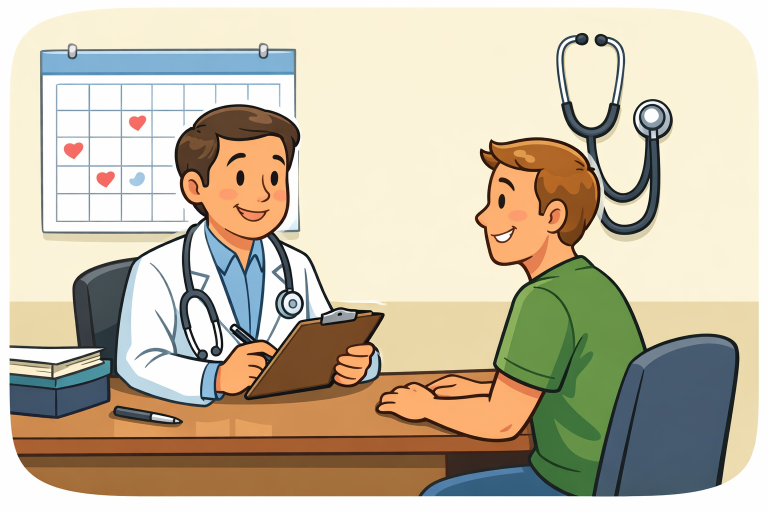
Management of chronic conditions is often complex, requiring ongoing adjustments to treatment and lifestyle. Primary care providers can serve as coordinators, overseeing medications and preventing potential drug interactions. They also help interpret new symptoms, recommend specialists as needed, and provide resources for disease management programs or support groups. For those with multiple chronic conditions, a single trusted provider can ensure consistent monitoring and improved adherence to treatment recommendations.
Reducing Healthcare Costs Through Preventive Care
Investing time in regular primary care visits can lead to substantial healthcare savings. Preventive care reduces the need for emergency department visits and hospitalizations by addressing health issues before they escalate. The same JAMA Network Open study highlighted that patients with regular primary care visits had lower risk-adjusted expenditures and fewer emergency department visits.
These healthcare savings benefit the entire community by reducing strain on emergency services and hospitals. Employers may notice fewer absences due to illness when employees prioritize wellness and have access to preventive care. Insurance providers may offer reduced premiums or wellness incentives, further encouraging routine use of primary care services. Over time, the cumulative effect of preventive care translates to a healthier, more productive society and a less burdened healthcare system.
Overcoming Barriers to Regular Primary Care
Despite the benefits, some individuals face challenges in accessing regular primary care, such as a lack of insurance, transportation issues, or time constraints. It’s important to explore available resources, such as community health centers or telehealth services, to ensure consistent care.
Innovative solutions like mobile clinics, employer-sponsored health programs, and telemedicine platforms are making it easier for patients to connect with primary care providers. Many practices now offer convenient evening or weekend hours and provide flexible appointment scheduling to accommodate busy lifestyles. Some providers also help patients find affordable coverage or connect with state and local assistance programs. It is vital for patients to advocate for themselves and seek out these resources so that barriers to care do not hinder their long-term health or wellness goals.
Staying Proactive with Your Health
Taking charge of your health starts with a commitment to regular primary care. Prepare for visits by writing down questions or health concerns in advance, and don’t hesitate to discuss new or recurring symptoms. If you struggle to remember appointments, set calendar reminders or sign up for text/email alerts from your provider’s office. Keep a record of your medications, family history, and any changes in your health, as this information can help your PCP deliver more personalized care.
Final Thoughts
Prioritizing regular primary care visits is a proactive step toward maintaining year-round health. By establishing a relationship with a trusted primary care provider, you can benefit from early detection, effective management of chronic conditions, and personalized preventive care strategies. Remember, your health is an ongoing journey, and regular check-ups are key to staying on the right path.