

Here’s a hard truth: Motivation is unreliable. Studies show that 92% of people fail to achieve their New Year’s resolutions because they rely on fleeting inspiration. The real game-changer? Daily discipline motivation. It’s the difference between dreaming about success and actually building it.
I’ve spent over a decade studying peak performers—from athletes to entrepreneurs. The ones who succeed don’t wait for motivation to strike. They cultivate self-discipline habits that create momentum, even on days they don’t feel like it. This guide isn’t about hype or quick fixes. It’s about the science of turning discipline into a self-sustaining engine for success.
You’ll learn how to rewire your brain for consistency, design a routine that sticks, and transform discipline from a chore into a superpower. By the end, you’ll have a blueprint to build motivation that lasts—no matter what life throws at you.
The Psychology of Motivation: Why Willpower Alone Fails
The Motivation Myth: Why You Can’t Rely on Feeling “Inspired”
Motivation is emotional. It spikes when you watch a TED Talk or set a new goal. But emotions fade. A 2023 study from the University of Pennsylvania found that motivation-driven actions drop by 70% within two weeks if not reinforced by habit.
The solution? Shift from relying on feelings to building systems. Discipline isn’t about forcing action—it’s about designing your environment and routines so that action becomes automatic.
The Role of Dopamine: How to Hack Your Brain’s Reward System
Dopamine is the neurotransmitter behind motivation. When you accomplish a task, your brain releases dopamine, making you feel good. The key is to create small, frequent wins to keep dopamine flowing.
Example: Break a big project into tiny tasks. Each small completion triggers a dopamine hit, fueling your drive to keep going.
The Power of Identity: Why You Do What You Believe You Are
James Clear, author of Atomic Habits, found that people who see themselves as disciplined act disciplined. Your self-image dictates your actions. When you shift from “I’m trying to be disciplined” to “I’m the type of person who follows through,” everything changes.
Pro tip: Start each day by affirming your identity. Say, “I am someone who shows up every day,” before taking action.
How to Build Daily Discipline Motivation: A Step-by-Step System
Step 1: Start With Micro-Habits
Big goals overwhelm. Micro-habits—actions so small they’re almost laughable—build momentum. Want to exercise? Start with one push-up a day. Want to write? Commit to one sentence.
Why it works: Micro-habits remove resistance. They prove to your brain that you’re capable, making it easier to scale up.
Example: A client of mine built a meditation practice by starting with just 10 seconds a day. Within months, she was meditating for 20 minutes daily.
Step 2: Design Your Environment for Success
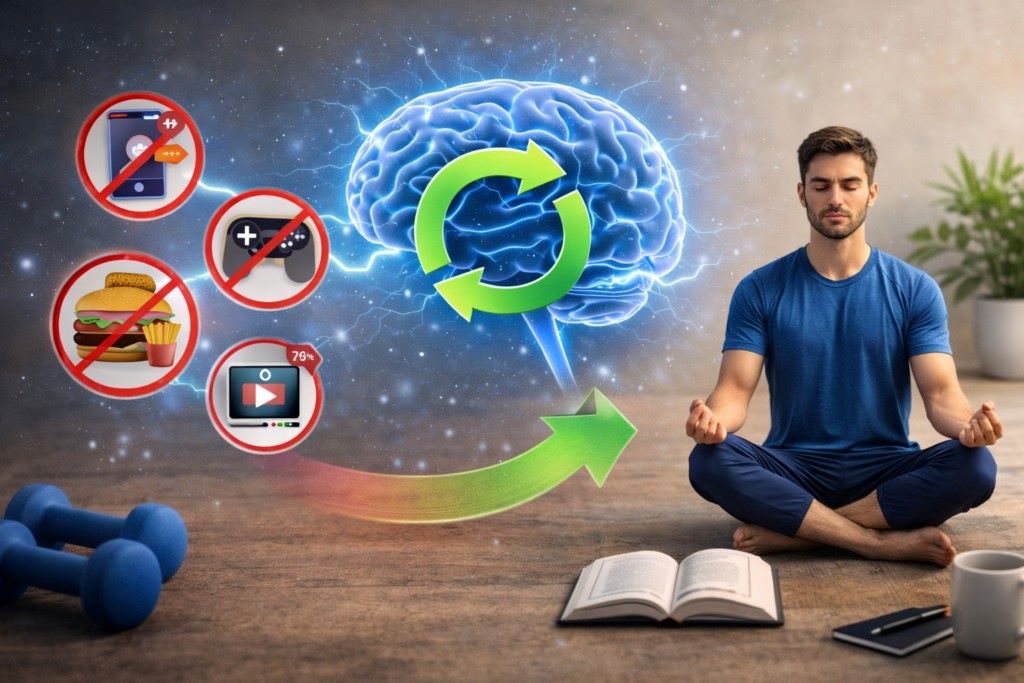
Willpower is overrated. Your environment shapes your actions more than your intentions. Remove friction for good habits and add it for bad ones.
Tactics:
- Place your workout clothes by your bed the night before.
- Delete social media apps from your phone during work hours.
- Keep healthy snacks at eye level in your fridge.
Step 3: Use the 2-Minute Rule to Beat Procrastination
If a task takes less than two minutes, do it immediately. This rule, popularized by David Allen, prevents small tasks from piling up and draining your mental energy.
Example: Reply to that email now. Wash those dishes now. These tiny wins build discipline muscle.
Step 4: Stack Habits for Automatic Success
Habit stacking ties a new habit to an existing one. After [current habit], I will [new habit]. This leverages your brain’s existing neural pathways.
Example: After I brush my teeth, I will do five squats. Over time, the squats become as automatic as brushing.
Step 5: Track Progress Visually
Visibility reinforces discipline. Use a habit tracker, calendar, or app to mark each day you follow through. The “don’t break the chain” method (popularized by Jerry Seinfeld) works because it turns discipline into a game.
Pro tip: Place your tracker where you’ll see it daily—like your bathroom mirror or phone wallpaper.
Step 6: Focus on Systems, Not Goals
Goals are destinations. Systems are the vehicles that get you there. A 2022 Harvard study found that people with strong systems achieve goals 42% more often than those who focus solely on outcomes.
Example: Instead of “I want to lose 20 pounds,” design a system: “I’ll meal prep every Sunday and walk 10,000 steps daily.”
Step 7: Embrace the 5-Second Rule
Mel Robbins’ 5-Second Rule is a discipline hack. When you hesitate, count down 5-4-3-2-1 and act. This interrupts overthinking and forces action.
Why it works: It shifts you from thinking to doing, which is where discipline lives.
Self-Discipline Habits: What Separates High Achievers From Everyone Else
The 5 AM Club: Why Morning Routines Build Unshakable Discipline
Robin Sharma’s research shows that the first hour of your day sets the tone. High achievers use mornings for their most important tasks because willpower is highest after sleep.
Example: A CEO client starts her day with 30 minutes of reading, 20 minutes of exercise, and 10 minutes of planning. This routine primes her for discipline all day.
The 80/20 Rule: Focus on What Moves the Needle
Not all habits are equal. The Pareto Principle states that 80% of results come from 20% of efforts. Identify the few disciplines that create the biggest impact.
Example: For fitness, focus on strength training and sleep. These two habits drive 80% of your results.
The Power of Accountability: Why You Need a Discipline Partner
A 2023 study from the American Society of Training and Development found that people are 65% more likely to follow through when they commit to someone else. Accountability turns discipline from a solo act into a shared mission.
Tactics:
- Join a mastermind group.
- Hire a coach.
- Find an accountability buddy.
The “No Zero Days” Mindset: Small Wins Build Big Discipline
“No zero days” means doing at least one thing toward your goal daily. Even a tiny action keeps momentum alive. This mindset, popular in productivity circles, prevents the all-or-nothing thinking that kills discipline.
Example: Didn’t have time for a full workout? Do five minutes of stretching. It counts.
The Role of Rest: Why Recovery Fuels Discipline
Discipline isn’t about grinding 24/7. It’s about consistency over time. Burnout destroys motivation. Prioritize sleep, downtime, and self-care to sustain long-term discipline.
Pro tip: Schedule rest like you schedule work. Treat it as non-negotiable.
Success Mindset: How to Stay Disciplined When Motivation Drops
Reframe Discipline as Freedom, Not Restriction
Discipline isn’t deprivation. It’s the bridge between your current self and the life you want. When you view it as a tool for freedom, it becomes empowering.
Example: Skipping happy hour to work on your side hustle isn’t sacrifice—it’s investing in your future freedom.
Use the “10-10-10” Rule for Instant Perspective
When discipline feels hard, ask:
- How will I feel about this in 10 days?
- In 10 months?
- In 10 years?
This rule, from Suzy Welch, puts short-term discomfort into long-term context.
Celebrate Effort, Not Just Results
Discipline is a practice, not a perfection contest. Celebrate showing up, even if the outcome isn’t what you hoped. This builds a success mindset rooted in progress, not just achievement.
Example: Didn’t hit your sales target? Celebrate the calls you made and lessons you learned.
Create a “Why” Statement for Tough Days
Your “why” is the fuel for your discipline. Write a clear, emotional statement about why your goal matters. Revisit it when motivation lags.
Example: “I build my business so I can travel with my family and create memories together.”
Visualize the Process, Not Just the Outcome
Visualization works—but only if you focus on the how, not just the what. Spend five minutes daily imagining yourself taking disciplined action. This primes your brain for success.
Real-Life Examples: How Daily Discipline Transforms Lives
Case Study 1: The Entrepreneur Who Built a Million-Dollar Business in a Year
Sarah started her e-commerce business with no experience. Her secret? A non-negotiable daily discipline:
- 6 AM: 30 minutes of market research.
- 12 PM: Five customer outreach emails.
- 6 PM: One hour of product development.
Within 12 months, she hit seven figures. “Discipline turned my dream into a reality,” she says.
Case Study 2: The Student Who Went From Failing to Valedictorian
James was on academic probation. He implemented:
- A strict study schedule (90-minute blocks with 10-minute breaks).
- Weekly reviews of his progress.
- A “no zero days” rule for assignments.
He graduated top of his class. “Discipline gave me control over my future,” he shares.
Case Study 3: The Athlete Who Came Back From Injury Stronger
After a career-threatening injury, prized marathoner Priya used discipline to rebuild:
- Daily physical therapy, even on painful days.
- A nutrition plan with no cheat days.
- Mental training to stay focused.
She not only recovered but set a personal best. “Discipline was my rehabilitation,” she says.
Common Mistakes That Sabotage Daily Discipline Motivation
1. Starting Too Big, Too Fast
Ambitious goals lead to burnout. Build discipline gradually. Start with habits so easy you can’t say no.
2. Relying on Motivation Alone
Motivation fades. Discipline is what keeps you going when inspiration is gone.
3. Ignoring Your Environment
Your surroundings either support or sabotage your discipline. Design spaces that make good habits effortless.
4. Skipping Rest and Recovery
Discipline isn’t about pushing nonstop. It’s about consistency over time. Rest is part of the process.
5. Not Tracking Progress
What gets measured gets managed. Without tracking, you won’t see your discipline compounding.
6. Comparing Yourself to Others
Discipline is personal. Focus on your progress, not someone else’s highlight reel.
7. Giving Up After a Slip-Up
Missed a day? It’s not failure—it’s data. Learn from it and keep going.
Expert Tips: How to Supercharge Your Daily Discipline
Tip 1: Use the “2-Day Rule”
Never skip your discipline habit two days in a row. This keeps momentum alive and prevents backsliding.
Tip 2: Pair Discipline With Pleasure
Combine a habit you struggle with with one you enjoy. Example: Listen to your favorite podcast while running.
Tip 3: Create a Discipline Ritual
Rituals signal your brain that it’s time to focus. Light a candle, play a specific song, or brew a cup of tea before starting your disciplined task.
Tip 4: Focus on the First Step
Discipline is easiest at the beginning. Just start—momentum will carry you forward.
Tip 5: Use Implementation Intentions
Plan when and where you’ll act. Example: “I will write for 30 minutes at my desk at 7 AM.” This triples your chances of following through.
Tip 6: Leverage the “Seinfeld Strategy”
Use a calendar to mark each day you stick to your habit. The goal? Don’t break the chain. This visual progress is incredibly motivating.
Tip 7: Reward Milestones
Celebrate weekly or monthly discipline wins. Rewards reinforce positive behavior and keep you motivated.
Related Topics:
- How to Build a Strong Mindset for Success: The Science-Backed Blueprint
- Motivation Triggers for Neurodivergent Minds
FAQs: Your Top Questions About Building Motivation Through Discipline
1. How long does it take to build discipline?
Research shows it takes 18 to 254 days to form a habit, with an average of 66 days. Consistency is key—focus on progress, not perfection.
2. What if I don’t feel disciplined?
Discipline is a skill, not a trait. Start small, use systems, and celebrate tiny wins. Over time, it becomes second nature.
3. How do I stay disciplined when life gets chaotic?
Anchor your discipline to non-negotiable routines. Even 5 minutes of action keeps the habit alive. And remember: Progress > perfection.
4. Can discipline be fun?
Absolutely! Pair it with activities you enjoy, gamify your progress, or turn it into a social challenge with friends.
5. What’s the best way to track discipline?
Use a habit tracker app, a simple calendar, or a journal. The key is to make your progress visible.
6. How do I rebuild discipline after a setback?
Start with a micro-habit to rebuild momentum. Reflect on what caused the setback and adjust your approach.
7. Is discipline the same as willpower?
No. Willpower is a finite resource. Discipline is a system that reduces the need for willpower by making good habits automatic.
Conclusion: Turn Discipline Into Your Superpower
Daily discipline motivation isn’t about gritting your teeth and white-knuckling through life. It’s about designing systems that make success inevitable. When you focus on small, consistent actions, discipline becomes a flywheel—each turn builds momentum until progress feels effortless.
Remember: The most successful people aren’t the ones who wait for motivation. They’re the ones who show up, day after day, and let discipline do the work.
Your next step? Pick one habit from this guide. Start today—not when you “feel ready.” The discipline muscle grows with use.
Ready to Build Unstoppable Momentum?
Choose one micro-habit and commit to it for the next seven days. Use the tips in this guide to stay on track. At the end of the week, reflect on your progress—and then keep going.
Your future self will thank you.