

Navigating daily life with sensory sensitivities can be a challenging experience, especially when it comes to clothing. The right wardrobe is more than a matter of style; it’s about finding comfort, functionality, and confidence. For individuals with sensory sensitivities, the wrong fabric or poorly chosen design can lead to discomfort, stress, and even avoidance of activities. This comprehensive guide explores practical and stylish wardrobe solutions for sensory sensitivities that prioritize comfort and self-expression.
By understanding the nuances of fabrics, tailoring, and design, you can curate a wardrobe that supports your lifestyle while keeping you comfortable. You can also explore Katespadestar for additional inspiration to refine your wardrobe choices with a touch of style and functionality.
Understanding Sensory Sensitivities and Their Impact on Clothing Choices
Sensory sensitivities often manifest as heightened awareness or aversion to textures, tightness, seams, or tags in clothing. They are commonly experienced by individuals on the autism spectrum, those with ADHD, or people with sensory processing disorders. This heightened sensitivity can lead to discomfort from specific fabrics or seams that most people might not notice.
Common Clothing Triggers for Sensory Sensitivities:
- Seams and Tags: The scratchiness of tags or bulky seams can feel unbearable.
- Synthetic Fabrics: Materials like polyester or nylon can be abrasive.
- Tight-Fitting Garments: Restrictive clothing may lead to heightened stress.
- Rough or Textured Fabrics: Some textures, like wool, can irritate the skin.
By identifying these triggers, it becomes easier to find clothing options that avoid discomfort while offering style and functionality.
Key Features to Look for in Wardrobe Solutions
When selecting wardrobe solutions for sensory sensitivities, comfort is paramount. However, this doesn’t mean sacrificing style. Many brands and designers are incorporating sensory-friendly features without compromising aesthetics.
Breathable and Natural Fabrics
Fabrics like cotton, bamboo, and modal are soft, breathable, and less likely to irritate the skin. They also help regulate body temperature, reducing overheating, which can be a common discomfort for those with sensitivities.
Pro Tip: Look for garments labeled “hypoallergenic” or “organic” to avoid chemical irritants.
Tagless and Seamless Options
Clothing with flat seams or no tags is a lifesaver for those sensitive to tactile irritations. Many brands now design garments with printed labels instead of tags, addressing this common issue.
Adjustable and Flexible Sizing
Wardrobe solutions for sensory sensitivities should prioritize garments with adjustable features, such as elastic waistbands or drawstrings. These allow for a personalized fit without causing undue pressure.
Exploring Typical Women’s Ring Size and Comfort in Accessories
Clothing isn’t the only consideration for those with sensory sensitivities—accessories matter, too. Rings, necklaces, and other adornments can add to sensory overload if not chosen carefully. For example, understanding the typical women’s ring size can ensure a perfect fit, reducing discomfort caused by overly tight or loose jewelry.
Tips for Sensory-Friendly Accessories:
- Opt for lightweight jewelry made from hypoallergenic materials like sterling silver or gold.
- Choose smooth and rounded designs to avoid rough edges or snagging.
- Consider adjustable accessories that can accommodate fluctuations in comfort levels.
Top Wardrobe Brands Catering to Sensory Sensitivities
The fashion industry has made strides in addressing the needs of individuals with sensory sensitivities. Here are a few standout brands:
Kozie Clothes
Known for their soft, seamless designs, Kozie Clothes is ideal for children and adults seeking sensory-friendly options. Their range includes tagless shirts and compression garments for added comfort.
SmartKnitKIDS
This brand specializes in seamless socks, undergarments, and tees, ensuring a snug but comfortable fit for those with heightened tactile sensitivities.
Tommy Adaptive by Tommy Hilfiger
Tommy Adaptive combines style with sensory-friendly features, offering adjustable designs and easy closures for those with specific needs.
Related: Is Satin Good for Clothing?
How to Build a Sensory-Friendly Wardrobe
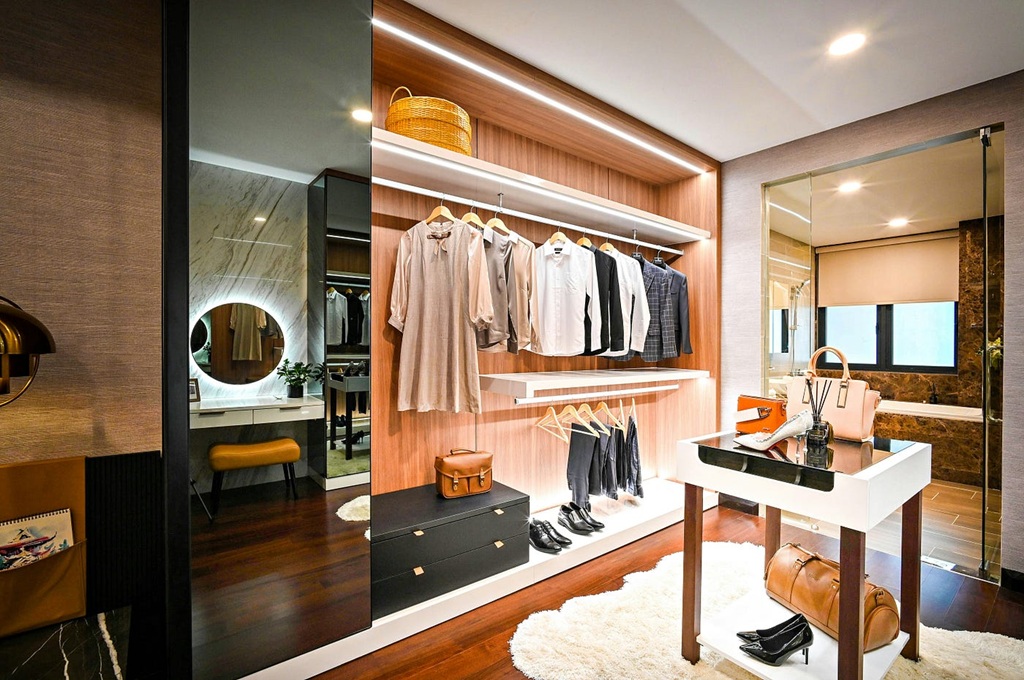
Creating a wardrobe for sensory sensitivities doesn’t have to be daunting. With a thoughtful approach, you can balance comfort, functionality, and personal style.
Step 1: Declutter Your Closet
Start by removing items that consistently cause discomfort. Donate or repurpose garments that no longer serve you.
Step 2: Identify Your Must-Have Features
Decide on the fabrics, designs, and fits that make you feel most at ease. For instance, if tags are a trigger, prioritize tagless designs.
Step 3: Prioritize Layering
Layering allows for adjustments based on weather and personal comfort. Choose lightweight base layers that feel soft against the skin.
Step 4: Shop Strategically
Stick to brands or stores known for sensory-friendly clothing. Consider reading reviews or seeking recommendations from online communities.
Styling Tips for Confidence and Comfort
Dressing for sensory sensitivities doesn’t mean compromising on style. With a few strategic choices, you can feel both confident and comfortable.
Neutral Palettes and Soft Textures
Neutral colors like beige, pastel, or grey can provide a soothing visual effect, complementing the tactile comfort of soft fabrics.
Loose-Fit Chic
Opt for flowy silhouettes like A-line dresses, oversized sweaters, or relaxed-fit trousers. These reduce pressure points while maintaining an elegant look.
Accessorize Thoughtfully
Choose scarves, belts, or hats made from soft materials to add flair without discomfort.
Frequently Asked Questions
What fabrics are best for sensory sensitivities?
Natural fabrics like cotton, bamboo, and modal are excellent for their softness and breathability.
How can I find sensory-friendly clothing?
Look for brands specializing in sensory-friendly designs or shop for items labeled “tagless” or “seamless.”
Are there specific stores that cater to sensory sensitivities?
Yes, stores like Kozie Clothes, SmartKnitKIDS, and Tommy Adaptive offer tailored solutions.
Can layering help with sensory sensitivities?
Absolutely. Layering with soft, lightweight garments can provide comfort and adaptability to changing conditions.
Are accessories important for sensory-friendly styling?
Yes, lightweight, smooth, and hypoallergenic accessories can complement your wardrobe without causing discomfort.
What are some affordable sensory-friendly clothing options?
Many mainstream stores now offer sensory-friendly lines at competitive prices, making it easier to build a budget-conscious wardrobe.
Conclusion
Wardrobe solutions for sensory sensitivities empower individuals to embrace comfort, style, and functionality. By focusing on the right fabrics, designs, and brands, you can create a wardrobe that meets your unique needs while enhancing your confidence. Explore inclusive brands, experiment with layering, and remember that dressing well starts with feeling good in your clothing.