

Key Takeaways
- Notaries verify identities and authenticate documents, providing legal assurance and deterring fraud in personal, business, and legal transactions.
- Common notarial acts include acknowledgments, jurats, and copy certifications, each ensuring the proper execution and trustworthiness of documents.
- Remote online notarization (RON) offers convenience and accessibility but requires compliance with state-specific laws and technical standards.
- Becoming a notary involves meeting state requirements, completing training, passing exams, and maintaining ethical, accurate recordkeeping.
- Choosing a qualified notary ensures smooth, legally compliant notarizations, protects your interests, and reinforces document credibility.
Notary services play a vital role in legal, business, and personal transactions by verifying identities, authenticating documents, and deterring fraud. Whether you are buying a house, establishing a power of attorney, or certifying documents for business uses, understanding notary services can help ensure your transactions are valid and secure. This guide offers a complete overview of notary services, providing essential advice so readers can confidently navigate situations that require notarization. If you’re seeking additional resources while preparing for the notary public exam, the Notary Public Study Guide New York is a valuable tool to supplement your studies.
Notaries serve as official witnesses for many different documents, providing legal assurance and protection. The notary’s impartiality is key to maintaining trust in notarial acts, making their role indispensable across activities ranging from contract drafting to estate planning. This guide will walk you through what notaries do, how to access their services, and why their role matters to both individuals and businesses.
The demand for notary services has evolved, with advances in technology now enabling both traditional and online notarization. Understanding the differences and requirements for both can help you choose the right service for your needs.
What Is a Notary Public?
A notary public is an appointed official who acts as an impartial witness during the signing of important documents. Their presence ensures that the parties involved are who they claim to be and that they are entering into legal agreements willingly. Notaries have served this function for hundreds of years, with their role evolving from ancient Roman scribes into today’s trusted gatekeepers for legal and business affairs.
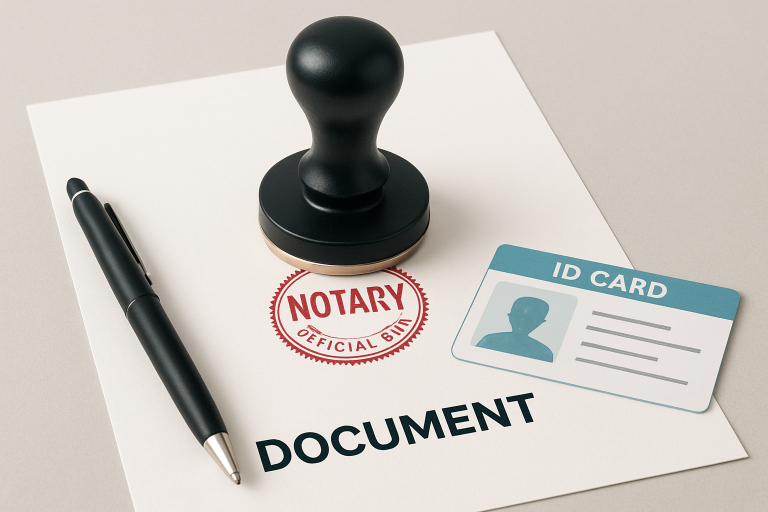
Modern notaries are responsible for verifying identities, preventing fraud, and ensuring that procedures for executing documents comply with state laws. Their signatures and official seal grant documents an extra layer of trust and legitimacy in the eyes of the law.
Common Notarial Acts
Acknowledgments
Acknowledgments are used for deeds, mortgages, and powers of attorney, in which the notary verifies the signer’s identity and confirms that they are signing the document willingly.
Jurats
Jurats involve the notary administering an oath or affirmation to the signer, who swears to the truthfulness of the document’s contents. Jurats are commonly required for affidavits and depositions.
Copy Certifications
In a copy certification, the notary vouches that a copied document is a true and accurate reproduction of the original. This is often needed for academic records, passports, and business licenses.
The Notarization Process
Notarization begins with the signer appearing in person before a notary. The notary reviews valid identification, such as a driver’s license or passport, to ensure the signer’s identity. Next, the notary ensures the signer understands the document and is not under duress. The necessary notarial act is then performed, the document is signed in the notary’s presence, and the notary applies their official seal and signature. The notarial journal is updated with essential recordkeeping details. The process is crucial for ensuring legal compliance and reinforcing the document’s authenticity.
Remote Online Notarization (RON)
With significant advances in technology, remote online notarization (RON) has become increasingly popular. RON allows notaries to verify a signer’s identity, witness signatures, and notarize documents via secure audio-visual platforms. The benefits include convenience and accessibility, especially for signers located far from traditional notary offices. However, RON still faces challenges, including varying state acceptance, technical requirements, and heightened security protocols. Many states have specific laws governing RON, so it is crucial to review local regulations before choosing this option.
Becoming a Notary Public
The process of becoming a notary public varies by state, but applicants typically must meet age and residency requirements, complete training, and pass an examination. Once appointed, notaries may need to obtain a bond and acquire necessary supplies such as a stamp and journal. Continuing education and regular renewal of the notary commission are important for staying up to date with legal changes and maintaining professional standards. Many states offer training programs and testing locations to help new notaries become qualified quickly.
Notary Public Responsibilities and Ethics
Maintaining impartiality is essential for all notaries. They must avoid conflicts of interest and refrain from performing notarizations for close family members or in situations where they could benefit personally. Accurate recordkeeping through detailed journals and compliance with state laws are necessary for every notarial act. Failure to do so can result in penalties, possible loss of commission, or legal consequences. Ethical notaries also respect privacy and handle all documentation with confidentiality.
Notary Services in Different States
Notary laws and procedures can vary considerably from state to state. For example, some states have additional training requirements, while others vary in their regulations for remote online notarization. Fees, types of acceptable identification, and document formats may all fluctuate depending on location.
Choosing the Right Notary Service
When selecting a notary, verify their credentials, experience, and state commission. Factors such as flexibility, location, and availability for after-hours or mobile appointments may be important to your needs. With the growth of mobile notarization and RON, it’s easier than ever to find a notary who meets your requirements. Preparing the required identification and fully understanding your documents can help the notarization process go smoothly. Using a reputable provider also ensures you avoid unnecessary delays or complications.
Final Thoughts
Notary services are fundamental to legal and business processes, safeguarding against fraud and lending credibility to essential documents. Staying aware of changes in notary laws and options, from traditional to remote services, empowers you to make informed decisions and protect your interests. Whether you are a consumer or considering a commission, being well-versed in notary practice makes all the difference in navigating important legal moments.