

Recovering from surgery during winter can feel like a double challenge. The biting cold demands warmth, while your body requires comfort and proper support to heal effectively. Learning how to layer winter clothes for post-surgical recovery is essential for balancing these needs. Whether you’re recovering from a minor outpatient procedure or a major surgery, dressing appropriately can improve your recovery experience.
Explore Dress24h for fashionable, recovery-friendly options to keep you cozy and stylish this winter.
The Importance of Layering Winter Clothes During Recovery
Layering is more than just bundling up; it’s an art that ensures warmth, flexibility, and comfort. For individuals in post-surgical recovery, dressing involves additional considerations like ease of movement, sensitivity, and maintaining proper circulation. Over-layering can restrict movement or apply unnecessary pressure to sensitive areas, while under-layering can lead to cold stress, potentially slowing the healing process.
Benefits of Proper Winter Layering:
- Thermoregulation: Keeps your body at an optimal temperature to aid healing.
- Mobility: Supports your ability to move without discomfort.
- Hygiene: Ensures breathability to prevent sweat buildup.
- Protection: Offers gentle coverage for incisions or healing wounds.
Choosing the Right Fabrics and Layers
When selecting winter clothes, focus on fabric types and layering strategies that suit your specific recovery needs. Lightweight, breathable, and hypoallergenic materials are often the best choices.
Base Layer: The Foundation of Comfort
The base layer sits closest to your skin and serves as the first defense against the cold. Opt for moisture-wicking fabrics like merino wool or synthetic blends to keep sweat away. Avoid scratchy or tight materials that could irritate surgical wounds.
Middle Layer: Insulation with a Purpose
This layer provides warmth by trapping air. Fleece or lightweight down is ideal, as these materials are soft and non-restrictive. For those recovering from chest or abdominal surgery, consider garments with zippers for easy wear and removal.
Pro Tip: While layering, use recovery-friendly tops with Velcro closures or wrap-around designs to accommodate bandages or drains.
Outer Layer: Shield Against the Elements
A water-resistant or windproof outer layer protects against the harshest winter conditions. When considering the best color for winter coat, dark hues like navy or black are classic, while lighter shades like camel or beige can lift your spirits during recovery.
Adapting Your Winter Wardrobe for Comfort and Healing
Post-surgical recovery requires modifications to your usual dressing routine. To ensure ease and safety, prioritize clothing that aligns with your medical restrictions and healing progress.
Loose Fits are Your Best Friend
Tight clothes can cause unnecessary pressure or disrupt bandages. Oversized sweaters or relaxed-fit pants are excellent options. Look for elastic waistbands or adjustable closures for added convenience.
Layer Strategically
Instead of piling on bulky garments, focus on light, warm layers. This approach minimizes strain and makes it easier to adjust your outfit based on indoor or outdoor temperatures.
Scar and Wound Protection
Soft scarves or shawls can be a lifesaver when protecting neck wounds. For leg or foot surgeries, insulated socks and slip-on shoes ensure warmth and safety without overexertion.
Related: Wardrobe Solutions for Sensory Sensitivities
Tips for Staying Warm While Ensuring Recovery Progress
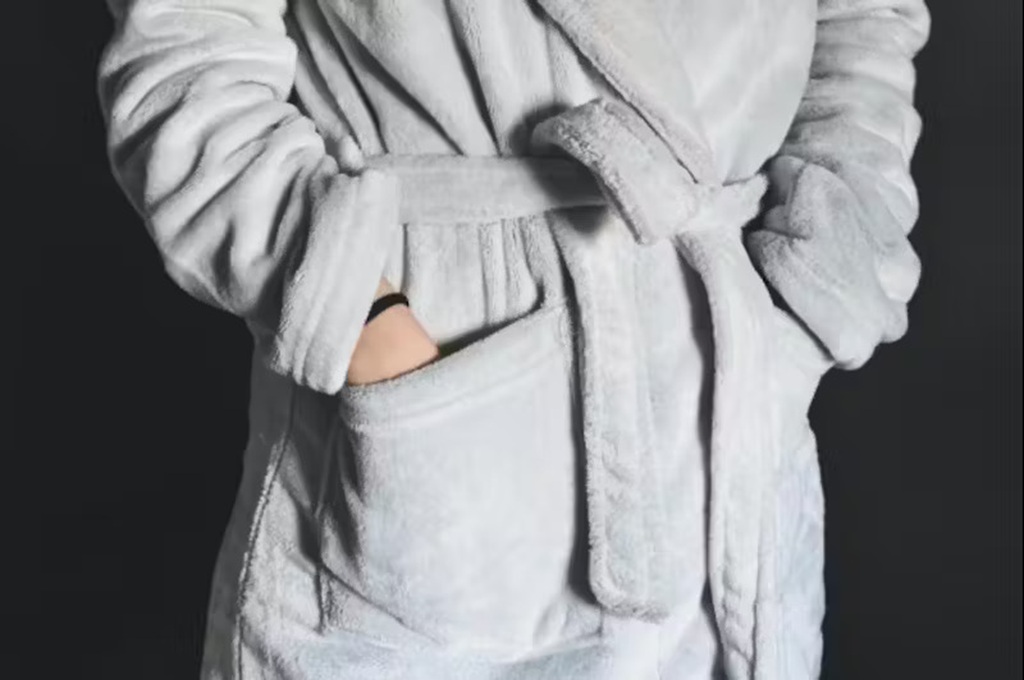
While layering is essential, maintaining a balance between warmth and recovery-friendly attire requires thoughtful adjustments.
- Invest in Adaptive Clothing: Adaptive wear designed for medical needs combines function and style. These garments often feature discreet openings or adjustable fastenings.
- Prioritize Breathable Outerwear: Long walks to appointments? Choose jackets with underarm vents or mesh linings for ventilation.
- Utilize Accessories: Beanies, gloves, and thermal socks can offer additional warmth without compromising your range of motion.
- Carry a Light Blanket: Having a portable blanket handy provides instant warmth in case of sudden chills.
FAQs
What should I wear during winter after surgery?
Choose comfortable, layered clothing with soft, breathable fabrics. Avoid tight garments and prioritize easy-to-wear pieces like zippered tops and elastic-waist pants.
How do I prevent over-layering while staying warm?
Stick to three main layers: a moisture-wicking base, an insulating middle layer, and a windproof or waterproof outer layer. Adjust layers depending on activity levels.
Related: Is Satin Good for Clothing?
Can I wear tight compression garments in winter?
Compression garments can be worn if prescribed, but avoid over-layering them with bulky clothes. Ensure proper circulation and comfort.
What materials are best for winter recovery clothing?
Opt for hypoallergenic, moisture-wicking materials like merino wool, cotton blends, or lightweight fleece.
How can I protect surgical sites while layering?
Use protective coverings such as padded scarves, loose turtlenecks, or medical-grade adhesive pads to shield incisions.
Conclusion
Learning how to layer winter clothes for post-surgical recovery is essential to stay warm and comfortable while supporting your healing journey. Thoughtful choices in fabric, fit, and design can ensure that you remain protected from the elements without compromising your recovery progress. Remember, recovery is as much about rest and care as it is about staying adaptable to your environment.